Artículo original
Vol. 46 Núm. 1 (2026)
29 min
Unveiling the child nutrition challenges in Sundanese indigenous villages: Exploring multiple determinants
Hadi RIYADI1, Desiani Rizki PURWANINGTYAS1, Dwi HASTUTI2, Fanisa SEPTARIANA2, Bekti Amalia FARON2
1 Department of Community Nutrition, Faculty of Human Ecology, IPB University, Bogor, Indonesia.
2 Department of Family and Consumer Sciences, Faculty of Human Ecology, IPB University, Bogor, Indonesia.
*Correspondencia:
Desiani Rizki Purwaningtyas desianirizki@apps.ipb.ac.id
Recepción:
22/10/2025
Aceptación:
19/01/2026
Publicación:
04/03/2026
Cómo citar
Hadi RIYADI, Desiani Rizki PURWANINGTYAS, Dwi HASTUTI, Fanisa SEPTARIANA, Bekti Amalia FARON. Unveiling the child nutrition challenges in Sundanese indigenous villages: Exploring multiple determinants. Nutr Clín Diet Hosp. 2026; 46(1):56-70 DOI: 10.12873/461purwaningtyas
Métricas
413
Visualizaciones
119
Descargas
Compartir
Compartir
Resumen (EN)
Introduction: Stunting and undernutrition remain critical public health challenges in Indonesia, particularly among indigenous communities where cultural traditions, food insecurity, and limited access to health services intersect. Evidence on child nutrition in Sundanese indigenous villages is limited.
Objectives: This study investigated the nutritional status of children under five in two Sundanese indigenous communities and explored its multifactorial determinants, including food security, dietary diversity, nutrient adequacy, breastfeeding practices, morbidity, and participation in Posyandu (community health posts).
Research Method: A cross-sectional study was conducted in Naga and Pasir Sundanese Indigenous Villages, West Java, involving 100 children aged 24–59 months and their caregivers. Data were collected using validated questionnaires and 24-hour dietary recalls, while nutritional status was assessed with WHO growth standards. Logistic regression was applied to identify predictors of underweight, stunting, wasting, and overnutrition.
Results: The prevalence of underweight, stunting, and wasting was 17%, 34%, and 3%, respectively. Food insecurity was reported in 41% of households, and 39% of children did not meet minimum dietary diversity. Food security was a protective factor against underweight (OR=0.061, 95% CI:0.005–0.706) and stunted (OR=0.218, 95% CI:0.053-0.900). Children who did not attend Posyandu in the past year were over 4 times more likely to be stunted than those attending monthly (OR=4.530, 95% CI:0.234-87.827). Age and sex also emerged as significant non-modifiable determinants.
Conclusions: Undernutrition in Sundanese indigenous villages is shaped by dietary, health, and socio-cultural factors. Strategies to reduce stunting should include strengthening food security, improving dietary diversity, ensuring micronutrient adequacy, promoting optimal infant feeding, and enhancing Posyandu participation through culturally sensitive, multisectoral approaches.
Palabras clave (EN):
Breastfeeding practices
food insecurity
minimum dietary diversity
nutritional adequacy
community health surveillance
INTRODUCTION
Indonesia is the world’s largest archipelagic nation, comprises more than 17,000 islands, a geographic characteristic that inherently fosters diversity in social norms, values, and cultural practices1. The country is home to no fewer than 1,340 ethnic groups. According to the Indigenous Peoples Alliance of the Archipelago (AMAN, 2023), Indonesia encompasses 2,512 recognized indigenous communities2.
The Sundanese, the second largest ethnic group in Indonesia, are predominantly located in West Java. Within this region, various indigenous villages preserve distinct cultural traditions, including the Naga and Pasir Indigenous Villages. Although both communities share Sundanese ancestry, each has developed unique cultural expressions and values. For instance, residents of Naga Village continue to practice traditional rituals such as rice-harvesting ceremonies and maintain vernacular architecture characterized by thatched-roof houses3. Meanwhile, the Pasir Indigenous Village upholds the Sundanese Wiwitan Madrais belief system, reflecting their strong adherence to ancestral traditions.
Cultural norms and practices within the indigenous community strongly influence how health and illness are perceived. Traditional wisdom and customary rules are passed down through generations, often emphasizing spiritual or ancestral explanations rather than biomedical ones. Consequently, conditions such as stunting may be misinterpreted or linked to non-medical factors. Indigenous groups maintain deeply rooted cultural beliefs that shape nutrition and health-related behaviors, including dietary patterns and child-rearing practices4.
Stunting and other growth faltering patterns remain pressing public health challenges in Indonesia. Despite the national target of reducing stunting among children under five to 19% by 2024, the prevalence data indicate that this goal remains unmet, with rates recorded at 21.5% in 2023 and only marginally declining to 19.9% in 2024. This limited progress not only highlights the gap between policy expectations and field realities but is further compounded by the rising prevalence of underweight, which increased from 15.9% in 2023 to 16.9% in 2024. Such trends underscore persistent nutritional challenges and raise concerns regarding the effectiveness of current interventions5.
Child nutrition represent sensitive indicators of community well-being and are strongly influenced by multidimensional factors, including food security, food consumption, hygiene practices, and morbidity. Food security is a particularly critical determinant. Evidence from both Indonesia and other lowto middle-income countries suggests that inadequate household food access correlates with growth faltering and stunting in children under five. A study in Indonesian agricultural areas further highlighted that fluctuations in seasonal food availability directly influence stunting prevalence, particularly during pre-harvest periods when household food insecurity peaks6. There were some potential conditions for indigenous communities to be food insecure. Food insecurity within indigenous communities is closely linked to environmental decline, unstable land ownership, and the gradual loss of traditional food knowledge7.
Nutrient adequacy is another central issue. Adequacy of energy and essential nutrients constitutes a fundamental determinant of child growth outcomes. Insufficient intake of macronutrients (carbohydrates, proteins, fats) compromises the energy balance required for optimal weight and height gain, while deficits in key micronutrients such as iron, zinc, folate, calcium, and vitamins A and C are strongly associated with impaired linear growth, weakened immune function, and delayed neurocognitive development. WHO emphasizes that nutrient adequacy, not just food availability, is critical in reducing childhood malnutrition, as hidden hunger frequently occurs in households that are technically food-secure but consume monotonous diets lacking in diversity8. This finding underscores that even food-secure households may experience hidden hunger due to poor diet quality. Within indigenous communities, dietary practices are often shaped by cultural norms, ecological constraints, and reliance on staple crops, with limited inclusion of nutrient-dense foods such as animal products, legumes, fruits, and vegetables.
Breastfeeding practices constitute a critical determinant of child nutrition, particularly in indigenous communities where cultural traditions and ecological constraints influence infant feeding behaviors. Early initiation of breastfeeding (EIBF) facilitates skin-to-skin contact and provides immunological protection through colostrum, while exclusive breastfeeding (EBF) for the first six months is strongly associated with reduced risks of stunting, infection, and mortality9. Conversely, the introduction of prelacteal feeds—a practice common in traditional societies—has been linked to delayed lactation and heightened vulnerability to infectious diseases10.
Beyond feeding, community-based health initiatives such as Posyandu in Indonesia provide an essential platform for growth monitoring, nutrition counseling, and early detection of growth faltering. Evidence demonstrates that regular participation in such programs improves mother or caregiver knowledge and facilitates preventive health practices, including adequate complementary feeding. The community could also get the vitamin A supplementation program and basic immunizations in Posyandu11. Moreover, Vitamin A supplementation and basic immunizations protect against infectionrelated growth setbacks, reinforcing the link between preventive health services and nutritional outcomes12. For indigenous populations, integrating culturally sensitive breastfeeding promotion with accessible primary health services is therefore indispensable for reducing stunting and enhancing child growth trajectories.
Given the cultural distinctiveness of Sundanese indigenous villages, where food traditions, health-seeking behaviors, and childcare practices are strongly rooted in ancestral norms, investigating multidimensional predictors of child growth is particularly urgent. There were limited previous studies recorded child nutritional status and its determinants among indigenous communities. Understanding how food security, food consumption, hygiene practices, and morbidity interact with sociocultural contexts will provide critical insights into designing targeted interventions to improve child growth in indigenous settings. This study investigated the magnitude of child nutrition problem and its determinants among children under five among Naga and Pasir Indigenous Sundanese Villages in Indonesia.
RESEARCH METHOD
Study Design and Participants
This study employed a quantitative observational approach with a cross-sectional design. The study conducted from March to May 2025 in two Sundanese indigenous villages: Pasir Village (Garut District) and Naga Village (Tasikmalaya District), West Java Province, Indonesia. A total of 100 subjects were enrolled in the study.
The study population consisted of children aged 24– 59 months and their mothers or primary caregivers residing in the study locations. The inclusion criteria were as follows: (1) children aged 24–59 months; (2) children without a history of serious illness; (3) mothers or caregivers living in the same household with the child; (4) mothers or caregivers who were literate; and (5) mothers or caregivers who provided informed consent to participate. Given the limited size of the population in the indigenous villages, a total sampling technique was applied to recruit eligible participants.
Data Collection and Processing
Data collected in this study included participants’ demographic characteristics (age and sex), household food security, dietary diversity, breastfeeding history, participation in community-based health services (Posyandu), morbidity, nutrient adequacy, and nutritional status.
Household food security was assessed through structured interviews using the Food Insecurity Experience Scale (FIES) questionnaire. This instrument measures self-reported experiences of food insecurity through eight questions related to food access, ranging from concerns about running out of food, limited dietary variety, to instances of skipping meals or not eating for an entire day due to resource constraints. Each affirmative response was scored as “1,”. Higher total FIES scores indicated greater levels of food insecurity13. Based on the total score, food security status was classified into three categories: food secure (score <4), moderate food insecurity (score 4–6), and severe food insecurity (score >6)14.
Meanwhile, dietary diversity was assessed using the Individual Dietary Diversity Score (IDDS), which included seven food groups: starchy staples; legumes and nuts; dairy products; flesh foods; eggs; vitamin A–rich fruits and vegetables; and other fruits and vegetables. Data were obtained through a 24-hour dietary recall. A score of “1” was assigned for each food group if the participant consumed at least one item from that group with a minimum intake of 1515.
Data on breastfeeding history included information on early initiation of breastfeeding (EIBF), exclusive breastfeeding, provision of prelacteal feeds, and continued breastfeeding up to 2 years of age. Meanwhile, participation in activities commonly conducted at community-based health services (Posyandu) comprised indicators such as frequency of visits, weight monitoring within the past year, height monitoring within the past year, immunization status, and receipt of high-dose vitamin A supplementation. Morbidity scores were calculated by multiplying the frequency and duration of illness episodes reported over the past six months to get total days of illness, representing the child’s cumulative morbidity burden. This approach aligns with previous child health studies that use sick days or cumulative exposure indicators when no standardized morbidity index is available. The morbidity assessment covered a wide range of conditions, including acute respiratory infections (ARI), pneumonia, pertussis, pulmonary tuberculosis, hepatitis A, hepatitis B, typhoid fever, dengue fever, filariasis, urinary tract infections, diarrhea, dysentery, diphtheria, chickenpox, measles, skin diseases, dental problems, and eye infections. All morbidities were equally weighted because no validated weighting system exists to differentiate their relative impacts on growth, and applying arbitrary weights could introduce bias.
The adequacy levels assessed included energy, protein, fat, carbohydrates, calcium, phosphorus, zinc, vitamin A, and vitamin C. Data on energy and nutrient intake were obtained using two non-consecutive 24-hour dietary recalls and compared with the Indonesian Recommended Dietary Allowances (RDA) according to age and sex groups. The adequacy of energy and macronutrients was classified into three categories: deficit (<80% of RDA), normal (80–110% of RDA), and excessive (>110% of RDA)16. The adequacy level of micronutrient intake was classified into two categories: deficit (<77% of RDA) and normal (≥77% of RDA)17.
Nutritional status was assessed using anthropometric measurements of body weight and height. Body weight was measured with a Camry® digital scale, and height was measured with a Seca® stadiometer. All measurements were performed by trained nutritionists. Nutritional status was determined using the weight-for-age (WAZ), height-for-age (HAZ), and weightfor-height (WHZ) indices, following the WHO growth standards. For WAZ, children were classified as severely underweight (WAZ < –3 SD), underweight (WAZ = –3 SD up to < –2 SD), normal (WAZ = –2 SD up to +1 SD), and possible risk of overweight (WAZ > +1 SD). For HAZ, categories included severely stunted (HAZ < –3 SD), stunted (HAZ = –3 SD up to < –2 SD), and normal (HAZ ≥ –2 SD). For WHZ, classifications were: severely wasted (WHZ < –3 SD), wasted (WHZ = –3 SD up to < –2 SD), normal (WHZ = –2 SD up to +1 SD), possible risk of overweight (WHZ > +1 SD up to +2 SD), overweight (WHZ > +2 SD up to +3 SD), and obese (WHZ > +3 SD)18.
Statistical Analysis
The independent variables in this study were food security, dietary diversity, breastfeeding history, participation in Posyandu activities, and nutrient adequacy, while the dependent variable was nutritional status. The normality of continuous variables was assessed using the Kolmogorov–Smirnov test. Categorical variables were provided as frequencies and percentages. Continuous values were presented as mean ± SE (standard error). To explore bivariate associations between nutrient adequacy level with dietary diversity score and food security (FIES score) as continuous variables, Spearman’s rank correlation was applied due to non-normally distributed variables.
Multivariate analysis was conducted using logistic regression to examine the influence of the independent variables on the likelihood of underweight, stunting, wasting, and overnutrition. Multicollinearity was assessed through variance inflation factor (VIF) <10 which indicated no serious multicollinearity. Model fit was assessed using the Hosmer–Lemeshow goodness-of-fit test, which indicated an adequate fit. The reported ORs were adjusted ORs based on sex. Categories with very low frequencies were regrouped, and predictors that resulted in empty cells or unstable estimates were excluded from the final adjusted models. A p-value of less than 0.05 was considered statistically significant.
Ethical Approval
This study adhered to the ethical standards outlined in the Declaration of Helsinki (2013) and its latest amendment adopted in Finland (2024), serving as the principal guideline for research involving human subjects. Ethical clearance was granted by the Research Ethics Committee of Universitas Muhammadiyah Semarang (approval no. 105/KE/02/2025). Before any data collection took place, participants received a full explanation of the study procedures and subsequently provided written informed consent.
RESULT
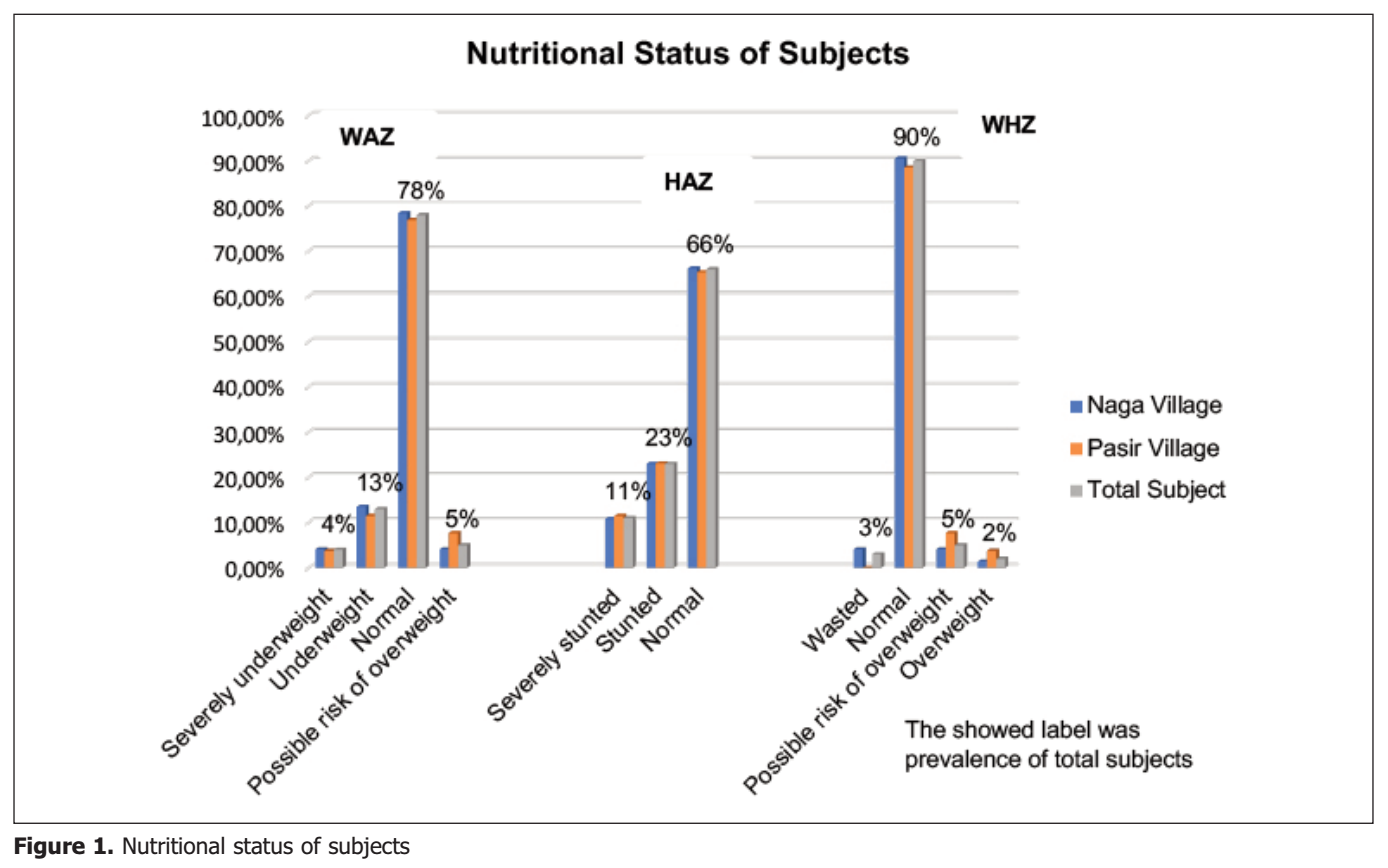
A total of 100 children were enrolled in the study, consisting of 55 boys (55%) and 45 girls (45%), with a mean age of 47.3 ± 0.9 months (Table 1). Figure 1 shows nutritional status of subjects based on WAZ, HAZ, and WHZ. The showed label in the figure was the prevalence of total subjects. The prevalence of undernutrition based on weight-for-age (WAZ) was 17% (4% severely underweight and 13% underweight), while 5% were at risk of overweight. Stunting affected 34% of children (11% severely stunted and 23% stunted), with a mean HAZ of –1.7 ± 0.1. Wasting was relatively low at 3%, whereas 2% of children were overweight based on WHZ.
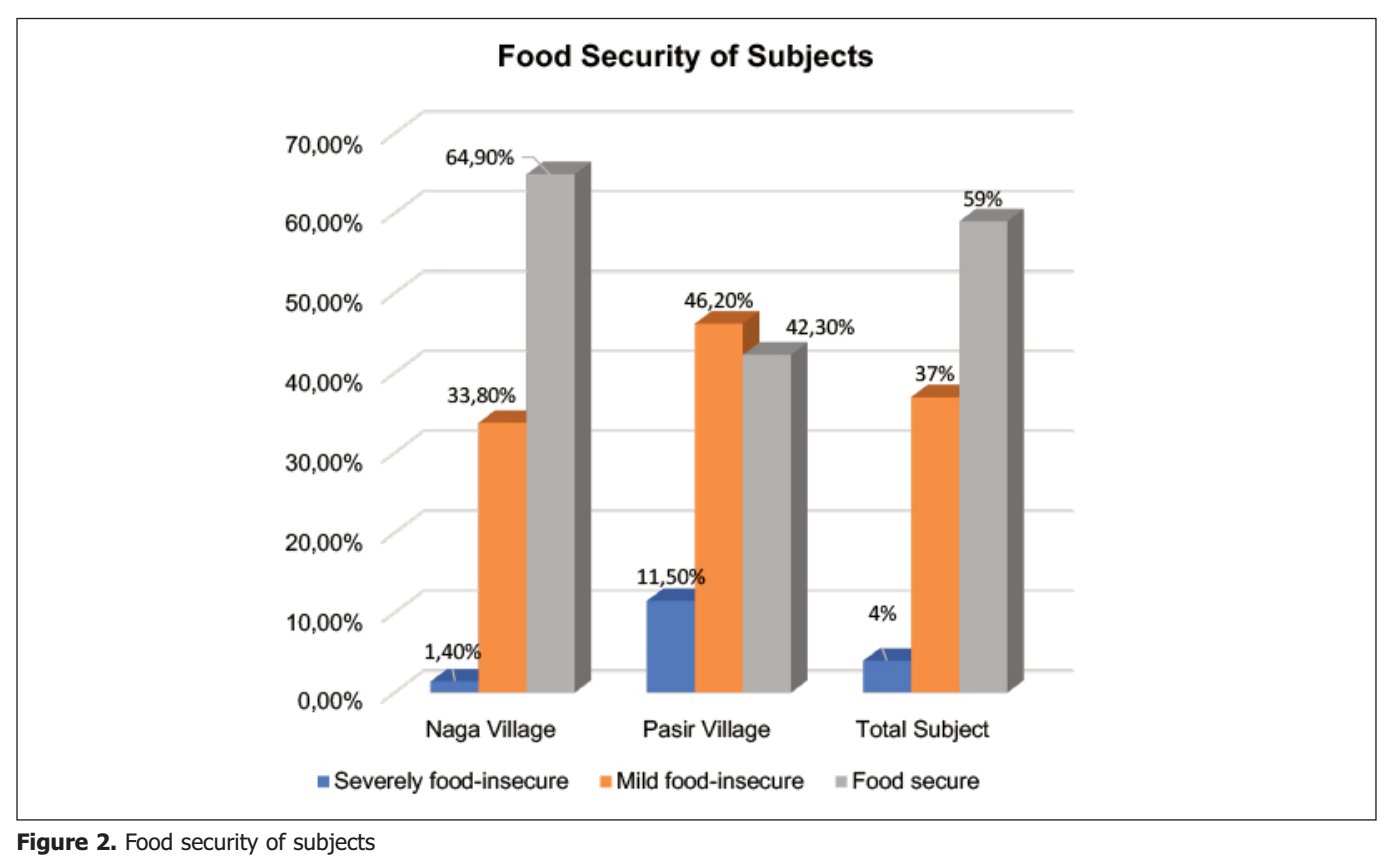
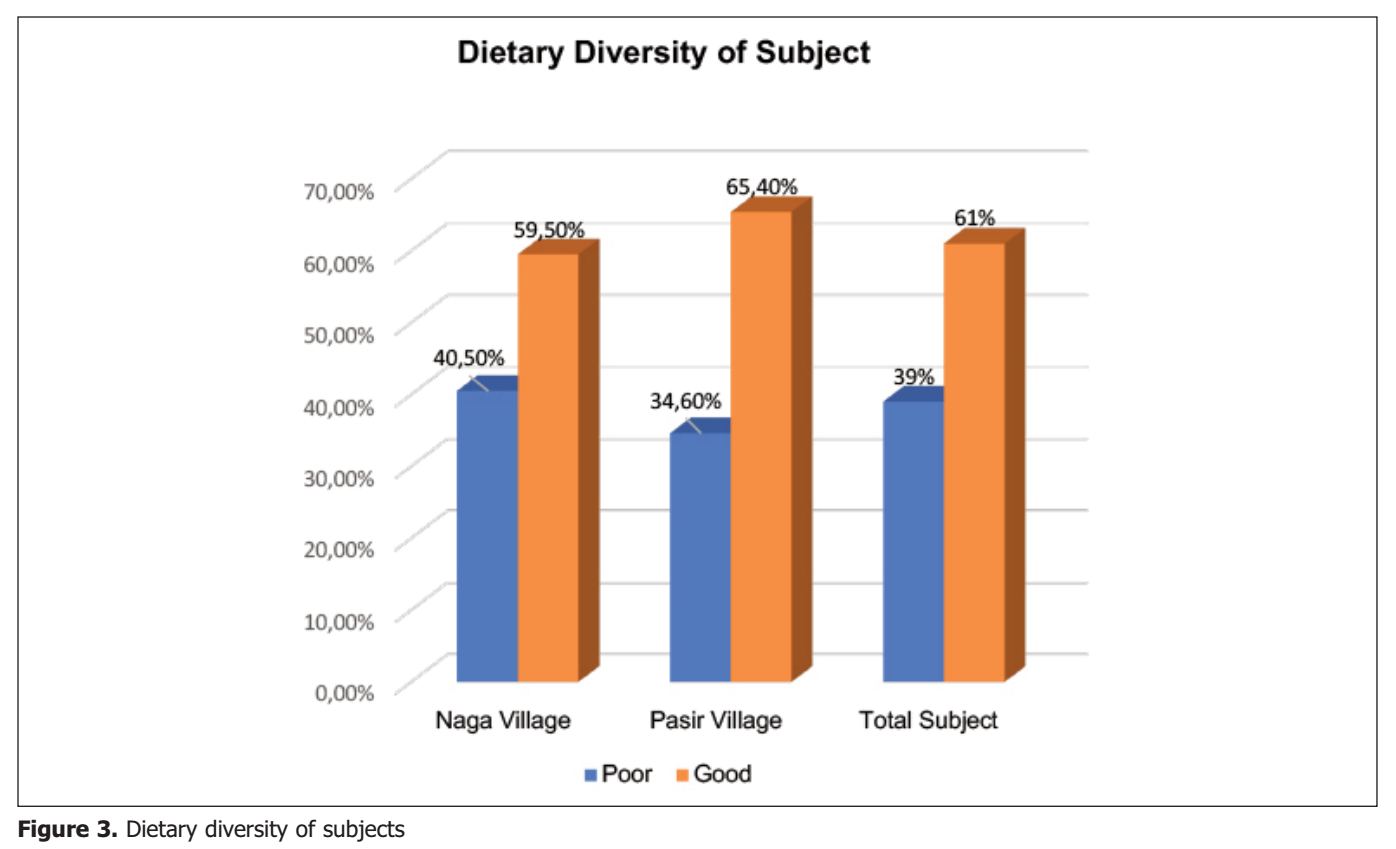
Regarding household food security, 41% of households faced food insecurity (37% mildly food insecure and 4% severely food insecure) (Figure 2). There were 39% subjects did not meet the minimum dietary diversity score or categorize as poor dietary diversity (Figure 3). On average, subjects just consumed 3.8 food groups a day. The three food groups predominantly consumed by most subjects were starchy staple consumed by 100% subjects, eggs consumed by 71% subjects, and dairy products consumed by 64% subjects.
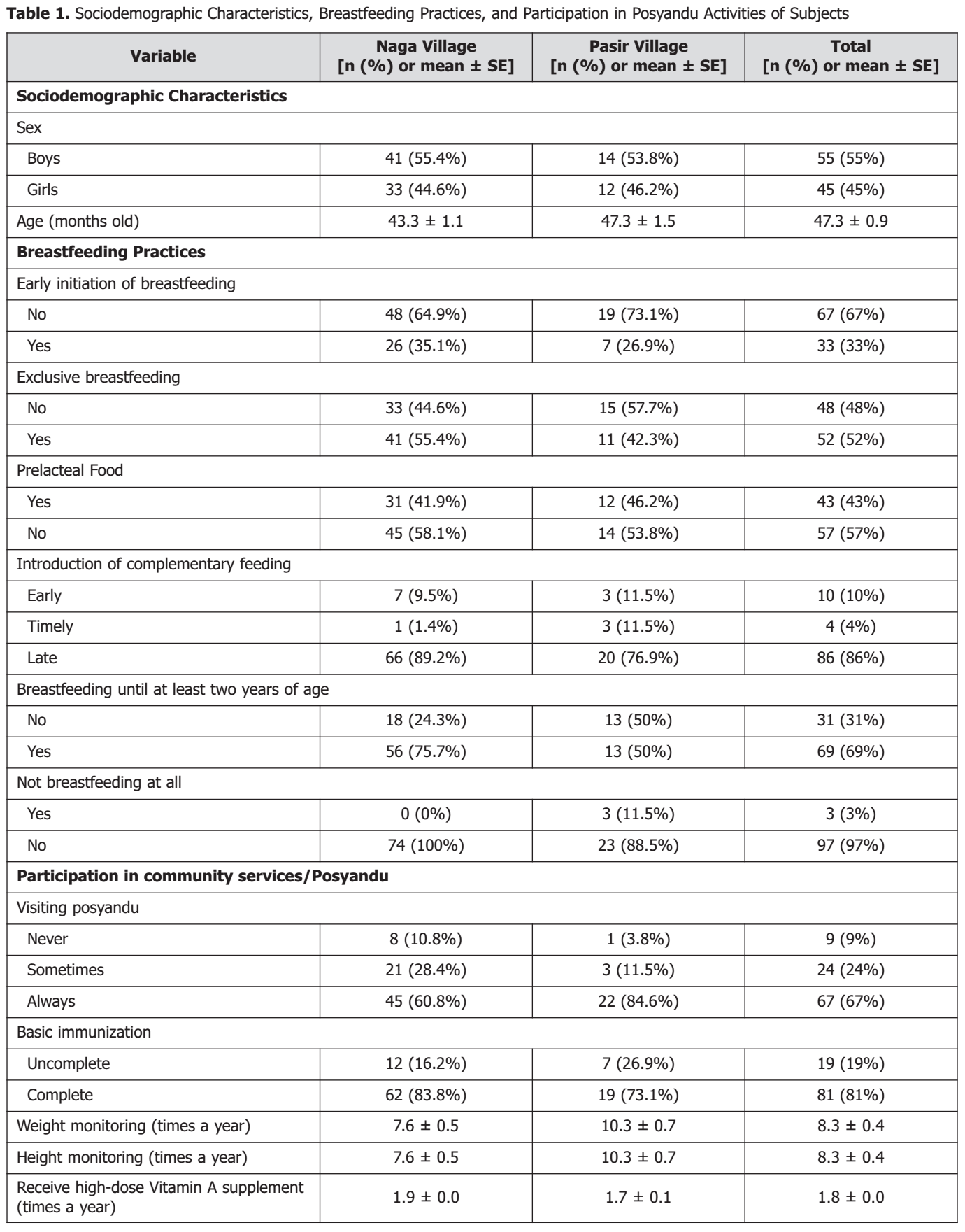
Breastfeeding practices varied considerably. Only one-third (33%) of children experienced early initiation of breastfeeding, while 52% were exclusively breastfed for six months. Prelacteal feeding was still common (43%), and 86% of children were introduced to complementary foods late. Continuation of breastfeeding until at least two years was reported in 69%, whereas 3% of children were never breastfed at all.
Participation in Posyandu was relatively high. Two-thirds of children (67%) regularly attended Posyandu sessions, and 81% had completed basic immunization. On average, children had their weight and height monitored 8.3 times per year, and received vitamin A supplementation 1.8 times per year.
Dietary adequacy analysis (Table 2) revealed that 61% of children had inadequate energy intake with a mean adequacy of 81.7 % RDA. Protein adequacy varied across the subjects. There was 40% subjects had insufficient protein intake although 28% subjects had surplus protein intake. Fat and carbohydrate inadequacies were notable, with 59% and 71% of children, respectively.
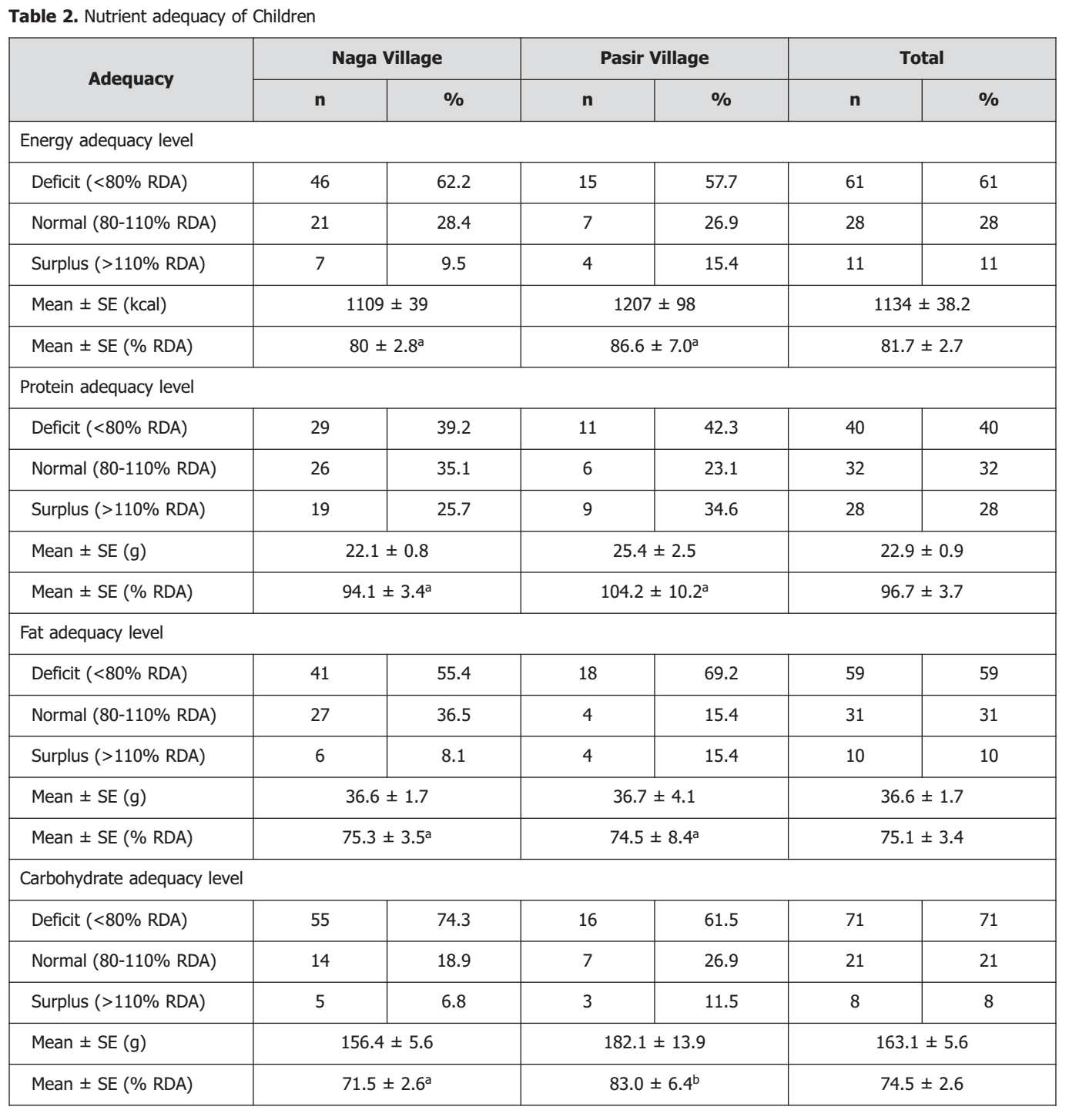
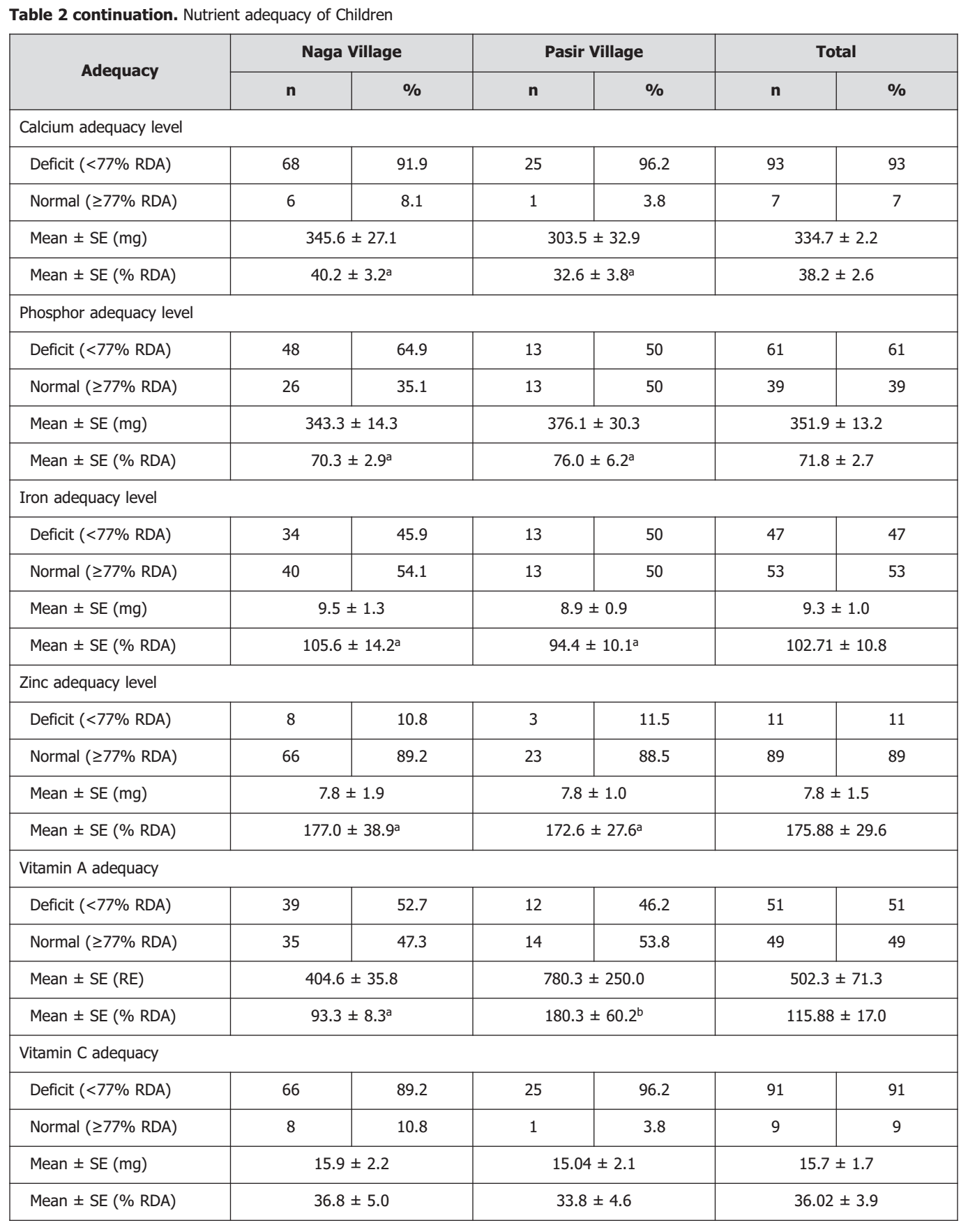
Micronutrient inadequacies were widespread. Almost all children (93%) had deficit calcium intake with a mean adequacy of 38.2 ± 2.6%. Vitamin C inadequacy was also severe, affecting 91% of children. Conversely, zinc adequacy was sufficient in 89% of children, and iron adequacy was achieved by 53%. Interestingly, mean vitamin A intake varied considerably between villages, resulting in nearly half (51%) of the children being deficient.
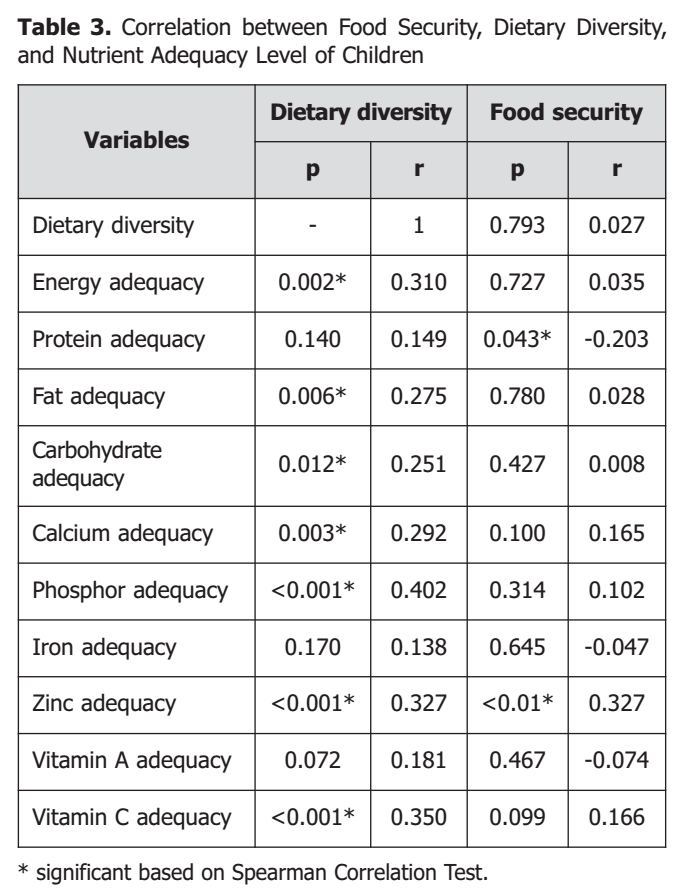
Bivariate correlations (Table 3) demonstrated that dietary diversity was positively associated with energy (r = 0.310, p = 0.002), fat (r = 0.275, p = 0.006), carbohydrate (r = 0.251, p = 0.012), calcium (r = 0.292, p = 0.003), phosphorus (r = 0.402, p < 0.001), zinc (r = 0.327, p < 0.001), and vitamin C adequacy (r = 0.350, p < 0.001). Subjects with more diverse food consumption tended to have higher adequacy of energy, fat, carbohydrate, calcium, phosphor, zinc, and vitamin C. Food security status was significantly correlated with protein adequacy (r = –0.203, p = 0.043) and zinc adequacy (r = 0.327, p < 0.01). A higher FIES score, reflecting greater vulnerability to food insecurity, was associated with lower protein adequacy yet higher zinc adequacy.
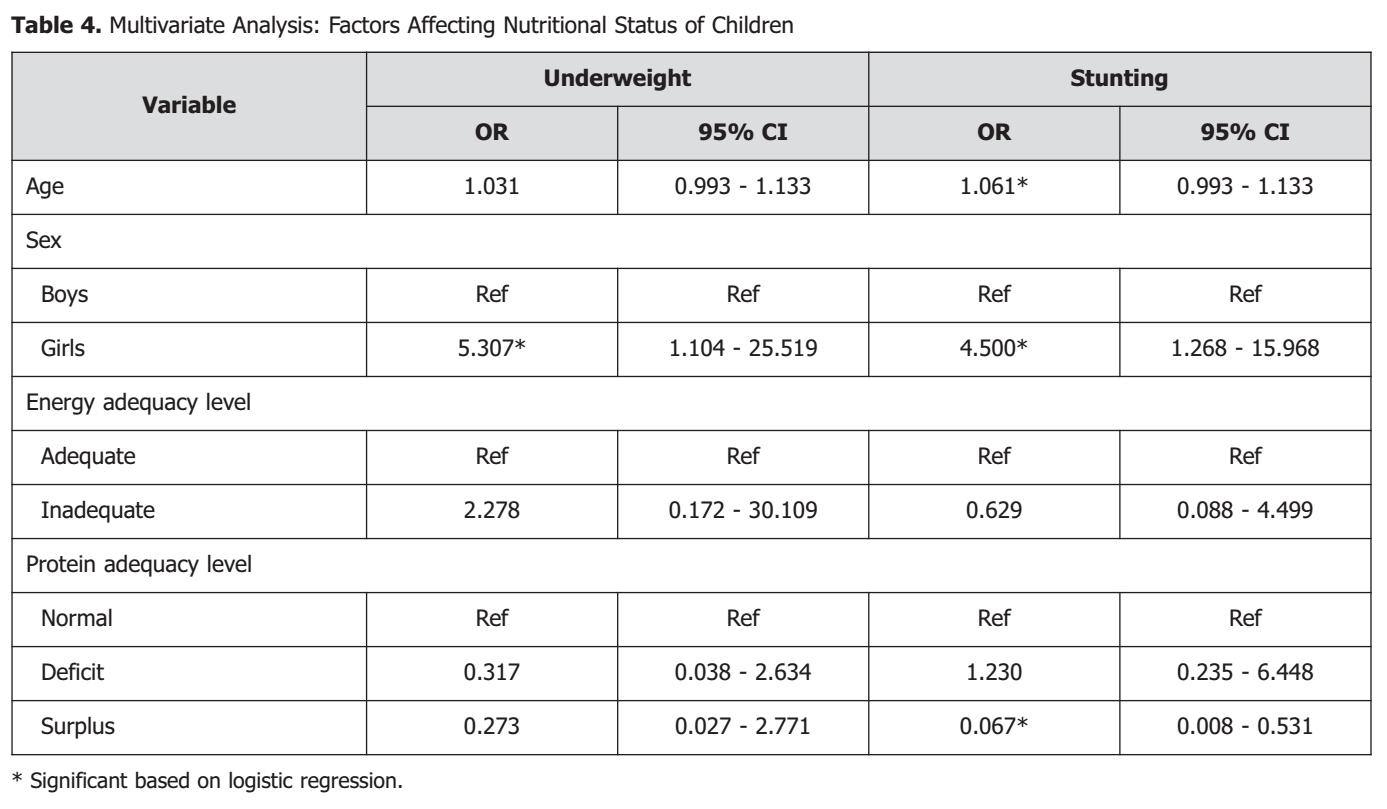
Multivariate logistic regression (Table 4) identified several significant predictors. Increasing age was associated with higher odds of stunting (OR = 1.061, 95% CI: 0.993–1.133). Girls had significantly higher odds of being underweight and stunted compared to boys. Proper time introduction of complementary feeding was protective against stunting (OR = 0.056, 95% CI: 0.004–0.713).
Morbidity scores were positively associated with both underweight (OR = 1.236, 95% CI: 1.044–1.463) and stunting (OR = 1.309, 95% CI: 1.100–1.558). Children from food-secure households were significantly less likely to be underweight (OR = 0.061, 95% CI: 0.005 – 0.706) and stunted (OR = 0.218, 95% CI: 0.053 - 0.900). Lack of Posyandu participation also predicted stunting (OR = 4.530, 95% CI: 0.234 - 87.827). Finally, incomplete immunization was associated with higher odds of stunting (OR = 2.850, 95% CI: 1.335–6.084).
DISCUSSION
The present study examined the multifactorial determinants of child nutritional status in Sundanese indigenous communities by focusing on household food security, dietary diversity, breastfeeding history, participation in Posyandu activities, morbidity, and nutrient adequacy. The findings contribute to the growing body of evidence on child malnutrition in Indonesia, where stunting remains a major public health concern despite significant national commitments to reduce its prevalence. Our results are consistent with previous studies, indicating that child nutrition cannot be explained by a single factor but rather by a constellation of biological, dietary, and socioeconomic predictors19.
Based on bivariate analysis, one of the correlations observed in our study was between dietary diversity with energy and several nutrient adequacy levels. Children who consumed a more diverse range of foods had significantly higher adequacy levels of energy, fat, carbohydrates, calcium, phosphorus, zinc, and vitamin C. These results are consistent with the SEANUTS II study, which reported that Indonesian children with more varied diets showed better adequacy for key micronutrients, including calcium, iron, zinc, and vitamin C, compared to those with monotonous diets. Adequate dietary diversity ensures that children receive essential macronutrients and micronutrients necessary for growth and immune function. However, many families in Sundanese indigenous villages still prioritize starchy staples as the main source of energy, with limited incorporation of nutrient-dense foods. This pattern mirrors dietary trends reported in rural Java and Sumatra, where over half of children had inadequate energy and micronutrient intakes20. These consistent findings across regions emphasize the urgency of promoting culturally acceptable, affordable strategies to improve dietary diversity, such as integrating locally available nutrient-rich foods like tempeh, tofu, leafy greens, and small fish into children’s daily meals.
Dietary diversity emerged as another important factor. Food insecurity was found to be correlated with lower protein adequacy among children. This relationship is largely attributable to limited access to affordable protein-rich foods. Animalsource proteins, such as meat, fish, eggs, and dairy products, tend to be relatively expensive for households with lower socioeconomic status, making them less accessible for daily consumption. As a result, children from food-insecure households did not consistently consume animal protein at each main meal. Instead, their diets were often dominated by vegetables and, occasionally, legume-based products such as tofu and tempeh, which served as complements to staple foods like rice. Similar findings have been reported in previous studies, showing that protein adequacy among children in food-insecure families is significantly lower compared to those in food-secure households21.
Our study revealed a contrasting pattern regarding zinc adequacy. Contrary to protein intake, zinc adequacy tended to be higher among children from food-insecure households. This may be explained by the relatively higher consumption of legumes, soy-based products, and wheat-based foods, which are more affordable and more frequently consumed in foodinsecure households. This finding is in line with evidence suggesting that plant-based foods, including legumes and fortified wheat products, can contribute significantly to zinc intake, even in populations with limited access to animalsource foods. However, the bioavailability of zinc from plantbased foods is lower due to the presence of absorption inhibitors such as dietary fiber, phytates, and polyphenols22.
Food insecurity undermines both the quantity and quality of children’s diets, leading to chronic deficiencies that impair growth. This is in line with a recent systematic review across Asia which confirmed that household food insecurity and poor dietary diversity are critical drivers of stunting in South and Southeast Asia19. In rural Indonesia, families in indigenous communities often rely on subsistence farming with limited access to diverse markets, leaving them vulnerable to seasonal food shortages. The restricted access to animal-source foods and micronutrient-rich produce creates dietary gaps that contribute to long-term growth faltering. Our findings reinforce the need for interventions that address not only food availability but also affordability and cultural dietary practices.
In this study, food security emerged as a significant predictor of underweight and stunting among children under five. Being food secure acted as a protective factor, reducing the likelihood of both conditions. This aligns with growing evidence in Indonesia and other lowand middle-income countries, which consistently demonstrates that household food insecurity is strongly predicted underweight and stunting23.
Breastfeeding and feeding practices also played a role in child nutritional outcomes. In this study, the coverage of exclusive breastfeeding among the participants remained relatively low. Several breastfeeding-related issues were also identified, including the suboptimal practice of early initiation of breastfeeding (EIBF), the persistence of prelacteal feeding due to cultural beliefs, and inappropriate timing of complementary feeding introduction—either too early or too late. Timely introduction of complementary feeding at six months has been shown to be a significant protective factor against stunting. This finding is consistent with previous studies which have demonstrated that timely introduction of complementary feeding serves as a protective factor against stunting. Early introduction of complementary foods, before the infant reaches six months, poses risks because the digestive system is not yet fully mature, which may increase susceptibility to recurrent infections during early childhood. Conversely, delayed introduction of complementary feeding can lead to nutrient inadequacies and growth faltering24.
In Indonesia especially in village or rural district, child health monitoring is largely supported through the Posyandu program, which is typically conducted on a monthly basis. Activities provided at Posyandu include growth monitoring, vitamin A supplementation, immunization, and nutrition education. The present study found that participation in Posyandu was a significant predictor of stunting. Children who had not attended Posyandu at all in the past year were at an exceptionally higher risk, over 400 times more likely of experiencing stunting compared to those who attended monthly.
The underlying explanation for this association lies in the comprehensive role of Posyandu. Regular visits ensure early detection of growth faltering, timely provision of micronutrient supplementation, and adherence to immunization schedules, all of which are critical for preventing infections and supporting optimal growth. Children who do not attend Posyandu miss opportunities for preventive care and nutritional counseling, leaving them more vulnerable to both undernutrition and repeated morbidity episodes that exacerbate growth failure. Prior research has highlighted that community-based health posts such as Posyandu play a pivotal role in reducing malnutrition and child morbidity by facilitating access to essential health and nutrition services. Moreover, studies emphasize that strong community participation in maternal and child health programs significantly improves the effectiveness of stunting reduction strategies in rural Indonesia25.
Morbidity was also associated with impaired nutritional outcomes. Frequent and prolonged episodes of illnesses such as diarrhea, respiratory infections, and febrile diseases were linked to increased risk of stunting and wasting in our study. This relationship is biologically plausible, as repeated infections increase nutrient requirements, reduce appetite, and impair nutrient absorption. Studies in rural Indonesia and other low-income settings confirm that morbidity burdens exacerbate malnutrition, creating a vicious cycle of infection and undernutrition6. In indigenous Sundanese villages, limited access to clean water, sanitation, and healthcare facilities likely compounds these effects. Interventions targeting both nutrition and infection control are thus critical, emphasizing the need for integrated child health approaches.
Nutrient adequacy was another key determinant. Our study revealed that several nutrient adequacy levels were predictors for either underweight or stunting. In this study, children with inadequate carbohydrate intake were found to be at a dramatically higher risk of both underweight and stunting 123 times and 43 times greater, respectively compared to those whose intake fell within the normal range (80–110% of RDA). This finding highlights the critical role of carbohydrates as the primary energy source in the diets of young children. Inadequate carbohydrate intake not only reduces total energy availability but also forces the body to rely on protein for energy, thereby compromising protein’s essential function in growth and tissue development. Such metabolic shifts contribute to impaired weight gain and linear growth, explaining the strong association with undernutrition outcomes. Similar findings have been reported in previous studies. A systematic review on predictors of child undernutrition in Indonesia emphasized that inadequate macronutrient intake, particularly carbohydrates, was among the most consistent risk factors for stunting26. Collectively, these findings support the argument that ensuring sufficient carbohydrate intake should be prioritized in child nutrition programs as a preventive measure against both underweight and stunting.
In addition to carbohydrate intake, both protein and fat adequacy levels were also identified as significant predictors of stunting in this study. Excessive protein intake (>110% RDA) appeared to act as a protective factor, reducing the likelihood of stunting among young children. This can be explained by the critical role of protein in supporting tissue growth, bone formation, and immune function. Adequate or slightly higher protein consumption has been shown to improve linear growth outcomes in children from lowand middle-income countries, especially when derived from high-quality sources such as animal-based foods and legumes26.
Conversely, excessive fat intake was found to increase the risk of stunting. While fats are an important energy source, overconsumption—especially of low-quality fats from fried and processed foods—may displace the intake of other nutrient-dense foods, leading to imbalanced diets. The presence of dietary fat in meals has been shown to reduce the glycemic index of foods, thereby modulating postprandial glucose responses. Children consuming meals high in fat tend to experience prolonged satiety, which can suppress subsequent intake of other nutrient-dense foods essential for growth and development. This phenomenon suggests that while fat contributes to energy intake, it may inadvertently displace the consumption of micronutrient-rich foods, thereby increasing the risk of nutritional imbalance. Diets with a lower glycemic index, often influenced by fat content, alter satiety patterns and energy regulation in children, but may not always align with optimal nutritional adequacy27. High-fat diets in Indonesian households have been associated with poor dietary diversity and insufficient micronutrient intake, conditions that may indirectly contribute to growth failure28.
Beyond the adequacy of macronutrients, sufficient intake of micronutrients is equally essential for promoting optimal child growth and development. In the present study, vitamin C consumption was identified as a significant determinant of stunting. Children with inadequate vitamin C intake had nearly 60 times higher odds of being stunted compared to those with adequate intake. Vitamin C is crucial not only for collagen synthesis and bone formation for linear growth but also as a potent antioxidant that supports immune function, thereby reducing infectionrelated growth faltering.
This finding is in line with recent evidence. A study showed that children with higher serum vitamin C levels had significantly lower concentrations of high-sensitivity C-reactive protein, indicating reduced systemic inflammation—a pathway strongly linked to growth impairment29. Taken together, these findings underscore that beyond macronutrient adequacy, ensuring sufficient intake of essential micronutrients such as vitamin C is crucial for protecting against stunting. Public health interventions should therefore focus on promoting the consumption of fruits and vegetables rich in vitamin C as part of a diversified diet for young children.
Another key finding of this study is that underweight and stunting are influenced not only by modifiable factors such as diet and health practices, but also by non-modifiable characteristics, including age and sex. Age was identified as a significant determinant of stunting, with the risk increasing as children grew older. This pattern may be attributed to the cumulative effects of prolonged nutritional inadequacies and recurrent infections, which become more apparent in older toddlers.
Sex was also found to be a significant determinant of both underweight and stunting in this study. Interestingly, male children were observed to be less likely to experience stunting compared to females. This contrasts with several nationallevel studies suggesting that boys are often at greater risk due to higher metabolic demands and susceptibility to infections30. However, variations in risk by sex may be influenced by local cultural practices, caregiving patterns, and food allocation within households, which may favor boys in certain rural settings. Such findings emphasize the importance of context-specific analyses when interpreting gender differences in child nutrition outcomes.
Interestingly, our regression analysis also confirmed the multifactorial nature of stunting. No single variable fully explained the observed growth outcomes, underscoring that stunting is a complex condition influenced by biological, environmental, and socioeconomic factors. For example, low household income and parental education, although not the primary focus of this study, have been shown to interact with dietary practices and health-seeking behaviors to influence child growth. This complexity highlights why national targets for reducing stunting remain difficult to achieve, as interventions must address multiple determinants simultaneously.
From a policy perspective, our findings carry several implications. First, food security and dietary diversity must be addressed not only at the household level but also through broader food system approaches that ensure equitable access to affordable nutritious foods. Second, breastfeeding promotion and maternal education should remain priorities, with culturally tailored messages for indigenous communities. Third, strengthening Posyandu as a frontline service for growth monitoring and nutrition education could provide sustained impact. Fourth, reducing morbidity through water, sanitation, and hygiene (WASH) interventions, combined with routine immunizations, will reduce the disease burden contributing to undernutrition. Lastly, targeted nutrition interventions such as MBG programs or fortified food supplementation may serve as effective complements to address specific nutrient gaps identified in this study.
This study contributes to the broader discourse on Indonesia’s national stunting reduction agenda. Indigenous communities such as those in Sundanese villages may be at particular risk due to limited resources, traditional dietary patterns, and restricted access to healthcare. Our findings support calls for more context-specific, culturally sensitive, and multisectoral strategies to accelerate stunting reduction. Interventions must go beyond national averages and prioritize vulnerable subpopulations where progress has lagged.
Limitations of the study
Despite its contributions, this study is not without limitations. The cross-sectional design precludes causal inferences, and the reliance on caregiver recall for dietary and morbidity data may introduce reporting bias. The relatively small sample size also limits generalizability. However, the focus on indigenous Sundanese villages provides valuable insights into under-researched communities, offering evidence to inform localized strategies. Future research should adopt longitudinal or intervention-based designs to establish causal pathways and evaluate the effectiveness of specific programs such as MBG.
ACKNOWLEDGEMENTS
The authors gratefully acknowledge the Neys–van Hoogstraten Foundation (NHF), The Netherlands and IPB University for financial and institutionally support of this study.
CONCLUSION
In conclusion, the discussion highlights that stunting in Sundanese indigenous villages is shaped by multiple interacting determinants, including sex, food security, timely introduction of complementary feeding, morbidity, nutrient adequacy, and participation in Posyandu. Addressing stunting, therefore requires integrated, multisectoral approaches that combine nutrition-specific and nutrition-sensitive interventions. Policies must ensure that interventions are accessible, culturally relevant, and adequately resourced to reach vulnerable populations. By doing so, Indonesia can move closer to achieving its national and global nutrition targets while safeguarding the growth and development of its children.
REFERENCE
- Bappenas, OECD. Indonesia Blue Economy Roadmap. 2023; (2):3145374. Available from: https://perpustakaan.bappenas.go.id/e-library/file_upload/koleksi/migrasi-data-publikasi/file/Unit_Kerja/DirIndustri%2CEkonomidanKreatif/Dummy_IndonesiaBlueEconomyRoadmap_Ebook.pdf
- The International Work Group for Indigenous Affairs. The Indigenous World 2023. Vol. 34, The Indigenous World 2023. 2023. 531–538 p.
- Salsabila DA, Jahera RS. Budaya dan Aktivitas Kehidupan Masyarakat di Kampung Naga: Studi Pariwisata. GARUDA J Pendidik Kewarganegaraan dan Filsafat. 2023;1(1):15–24.
- Putri LD, Agustin H, Bakti I, Suminar JR. Genetic Perception Versus Nutritional Factors: Analyzing the Indigenous Baduy Community’s Understanding of Stunting as a Health Issue. Int J Environ Res Public Health. 2025;22(2).
- Indonesia Ministry of Health. Studi Status Gizi Indonesia 2024. Kemenkes 2025.
- Fatimah H, Khomsan A, Dwiriani CM, Seminar AU. A comparative study of food security, self-efficacy, food coping strategies, and children nutritional status in urban and rural poor households in Cianjur Regency, Indonesia. Nutr Clín Diet Hosp. 2025;45(3): 270–7. DOI: 10.12873/453khomsan
- Ginting S, Wongta A, Yadoung S, Ounjaijean S. Food Insecurity and Community Resilience Among Indonesia ’ s Indigenous Suku Anak Dalam. Sustainability. 2025; 17, 7750. https://doi.org/10.3390/su171777502025;1–24.
- Bowman A, Lutze S, Albright J, Blair-Stahn N, Jafari H, Kaur S, et al. Optimal allocation of antenatal and young child nutrition interventions: an individual-based global burden of disease calibrated microsimulation. BMC Glob Public Heal. 2025;3(1). https://doi.org/10.1186/s44263-024-00120-y.
- Steven Christian Susianto, Nina Rini Suprobo, Maharani. Early Breastfeeding Initiation Effect in Stunting: A Systematic Review. Asian J Heal Res. 2022;1(1):1–5. https://doi.org/10.55561/ajhr.v1i1.11.
- Neves PAR, Armenta-Paulino N, Arroyave L, Ricardo LIC, Vaz JS, Boccolini CS, et al. Prelacteal feeding and its relationship with exclusive breastfeeding and formula consumption among infants in low and middle-income countries. J Glob Health. 2022;12:1–11. doi: 10.7189/jogh.12.04104.
- Beatty A, Borkum E, Leith W, Null C, Suriastini W. A cluster randomized controlled trial of a community-based initiative to reduce stunting in rural Indonesia. Matern Child Nutr. 2024;20(1). https://doi.org/10.1111/mcn.13593.
- Imdad A, Mayo-Wilson E, Haykal MR, Regan A, Sidhu J, Smith A, et al. Vitamin A supplementation for preventing morbidity and mortality in children from six months to five years of age. Cochrane Database Syst Rev. 2022;2022(3). DOI: 10.1002/14651858.CD008524.pub4.
- FAO. FIES Survey Module. Egypt J Community Med. 2021;39(3): 82–92.
- Weffort VRS, Lamounier JA. Hidden hunger – a narrative review. J Pediatr (Rio J). 2024;100:S10–7. https://doi.org/10.1016/j.jped.2023.08.009.
- Hendryanti DN, Andriani C, Indriani S, Gunawan L, Sibero MT. Dietary Diversity, Stunting, and the Impact of an Education Program on Parents’ Knowledge and Attitudes in West Sumba, Indonesia. J Gizi dan Pangan. 2023;18(2):79–88. https://doi.org/10.25182/jgp.2023.18.2.79-88.
- Indonesia Ministry of Health. Angka Kecukupan Gizi 2019. Kemenkes. 2019;956.
- Rosalind S. Gibson. Principles of Nutritional Assessment. Editor Rosalind S Gibson. Oxford University Press Inc 2nd. 2005;2005.
- Indonesia Ministry of Health. Antropometria. Child Anthr Assess Stand. 2008;2(3):33–74.
- Islam B, Ibrahim TI, Wang T, Wu M, Qin J. Current trends in household food insecurity, dietary diversity, and stunting among children under five in Asia: a systematic review. J Glob Health. 2025;15. doi:10.7189/jogh.15.04049.
- Kekalih A, Chandra DN, Mirtha LT, Khouw I, Wong G, Sekartini R. Dietary intakes, nutritional and biochemical status of 6 months to 12-year-old children before the COVID-19 pandemic era: The South East Asian Nutrition Survey II Indonesia (SEANUTS II) study in Java and Sumatera Islands, Indonesia. Public Health Nutr. 2025;28(1):1–14. doi:10.1017/S1368980024001654.
- Masthalina H, Santosa H, Sudaryati E, Zuska F. Household food insecurity, level of nutritional adequacy, and nutritional status of toddlers in the coastal area of central tapanuli regency. Open Access Maced J Med Sci. 2021;9:1371–5. https://doi.org/10.29303/jppipa.v10i7.8030.
- Hilaj N, Boit T, Andang’o P, Zeder C, Mwangi MN, Hummel M, et al. Zinc absorption from maize-based meals enriched with edible house crickets: a randomized crossover stable-isotope study in Kenyan pre-school children. Nat Commun. 2025;16(1):1–12. http://dx.doi.org/10.1038/s41467-025-56259-1.
- Nsubuga EJ, Arinda Kato I, Lee S, Ssenyondo M, Isunju JB. Predictors of Stunting and Underweight Among Children Aged 6 to 59 months in Bussi Islands, Wakiso District, Uganda: A Cross-Sectional Study. Nutr Metab Insights. 2022;15. DOI: 10.1177/11786388221125107.
- Paramashanti BA, Nugraheny E, Suparmi S, Afifah T, Nugraheni WP, Lestyoningrum SD, et al. Breastfeeding Status and Infectious Diseases among Children Aged 6–23 Months in Indonesia. Asian J Soc Heal Behav. 2024;7(4). DOI: https://doi.org/10.4103/shb.shb_70_24.
- Selvia B, Putri LD, Jl A, Hamka P, Barat AT, Utara KP, et al. Implementasi Program Posyandu dalam Penurunan Angka Stunting di Desa Manggopoh. Jurnal Yudsitira 2025; 3(1): 135-141. https://doi.org/10.61132/yudistira.v3i1.1455.
- Mauludyani AVR, Khomsan A, Riyadi H, Nurhidayati, VA, Fatchiya A. Determinants of children’s nutritional status in rural and urban areas of West Java, Indonesia. Nutr Clín Diet Hosp. 2025;45(2). DOI: 10.12873/452ali-khomsan.
- Basset-Sagarminaga J, Roumans KHM, Havekes B, Mensink RP, Peters HPF, Zock PL, et al. Replacing Foods with a High-Glycemic Index and High in Saturated Fat by Alternatives with a Low Glycemic Index and Low Saturated Fat Reduces Hepatic Fat, Even in Isocaloric and Macronutrient Matched Conditions. Nutrients. 2023;15(3): 735. https://doi.org/10.3390/nu15030735.
- Zhou Y, Wang J, Duan Y, Luo X, Wan Z, Luo Y, Li Y, Wang Y and Xie J (2022) Dietary diversity and determinants of young adults in central China: A cross-sectional study from 2015 to 2020. Front. Nutr. 9:931107. doi:10.3389/fnut.2022.931107.
- Li C, Zhu Z, Jiang S, Feng X, Yang L, Gao K, et al. The relationship between serum vitamin C levels and high-sensitivity C-reactive protein in children. Sci Rep. 2024;14(1):1–11. https://doi.org/10.1038/s41598-024-81751-x1.
- Tumaji, D.L., Agung G.K. H. Children’s Characteristics as the Predictors of Stunting among Children Under 2 Years in East Nusa Tenggara in Indonesia. Indian J Community Med. 2017;42(1): 147–50. DOI:10.4103/ijcm.ijcm_384_23.
Explorar
Artículos
Volúmenes
Sobre la revista
Más leídos
Consumo de bebidas energizantes y efectos adversos en la salud de estudiantes universitarios
Nutrición Clínica y Dietética Hospitalaria
Uso de redes sociales y riesgo de trastornos de conducta alimentaria en adolescentes mujeres de un colegio en Lima, Perú
Nutrición Clínica y Dietética Hospitalaria
Consumo de bebidas energizantes en estudiantes universitarios y sus factores asociados.
Nutrición Clínica y Dietética Hospitalaria
Microbiota intestinal y eje intestino-cerebro: una revisión de su interacción con el sistema nervioso central
Nutrición Clínica y Dietética Hospitalaria
Factores asociados a la diabetes mellitus tipo 2 de la población adulta peruana.
Nutrición Clínica y Dietética Hospitalaria