Artículo original
Vol. 46 Núm. 1 (2026)
17 min
Nutritional properties and health benefits of Mauritia flexuosa (buriti): A systematic review
Nutritional properties and health benefits of Mauritia flexuosa (buriti): A systematic review.
José Carlos QUISPE ROQUE1, Sofía L. BOHÓRQUEZ-MEDINA2,3, Andrea L. BOHÓRQUEZ-MEDINA2,3
1 Carrera de Gastronomía y Gestión de Restaurantes, Facultad de Administración Hotelera, Turismo y Gastronomía, Universidad San Ignacio de Loyola, Lima, Peru.
2 Carrera de Arte Culinario, Facultad de Administración Hotelera, Turismo y Gastronomía, Universidad San Ignacio de Loyola, Lima, Peru.
3 Grupo de Investigación en Gastronomía y Arte Culinario (GIGAC), Universidad San Ignacio de Loyola, Lima, Peru.
*Correspondencia:
Sofía L. Bohórquez-Medina sofia.bohorquez@usil.pe
Recepción:
11/12/2025
Aceptación:
28/01/2026
Publicación:
06/03/2026
Cómo citar
José Carlos QUISPE ROQUE, Sofía L. BOHÓRQUEZ-MEDINA, Andrea L. BOHÓRQUEZ-MEDINA. Nutritional properties and health benefits of mauritia flexuosa (buriti): A systematic review. Nutr Clín Diet Hosp. 2026; 46(1):112-122 DOI: 10.12873/461jcquispe
Métricas
645
Visualizaciones
130
Descargas
Compartir
Compartir
Resumen (EN)
Mauritia flexuosa (buriti) is an Amazonian palm fruit traditionally consumed for its nutritional and medicinal properties, particularly its high content of carotenoids, tocopherols, phenolic compounds, and unsaturated fatty acids.
Objective: This systematic review aimed to synthesize the available evidence on the nutritional composition and health-related effects of Mauritia flexuosa, with particular attention to the type of experimental model used.
Methods: A systematic search was conducted in Scopus, Web of Science, PubMed, and Embase from inception to October 9, 2025, following PRISMA 2020 guidelines. Original studies evaluating nutritional composition or health effects of M. flexuosa in humans or animals were included. Risk of bias was assessed using RoB 2 for randomized controlled trials and the SYRCLE tool for animal studies.
Results: Fifteen studies met the inclusion criteria, including one human randomized controlled trial and fourteen experimental animal studies. The evidence indicates that buriti pulp, oil, or extracts may exert antioxidant, anti-inflammatory, hepatoprotective, and cardiometabolic effects. However, these findings are based predominantly on heterogeneous animal models, with limited consistency in dosage, intervention duration, and outcome measures.
Conclusions: Mauritia flexuosa shows promising functional and nutritional potential; nevertheless, the predominance of animal studies substantially limits the direct extrapolation of these findings to humans. Well-designed clinical trials using standardized preparations are required to confirm efficacy, safety, and applicability in human health.
Palabras clave (EN):
Functional foods
carotenoids
antioxidants
Amazonian nutrition
bioactive compounds
phytochemistry
animal models
INTRODUCTION
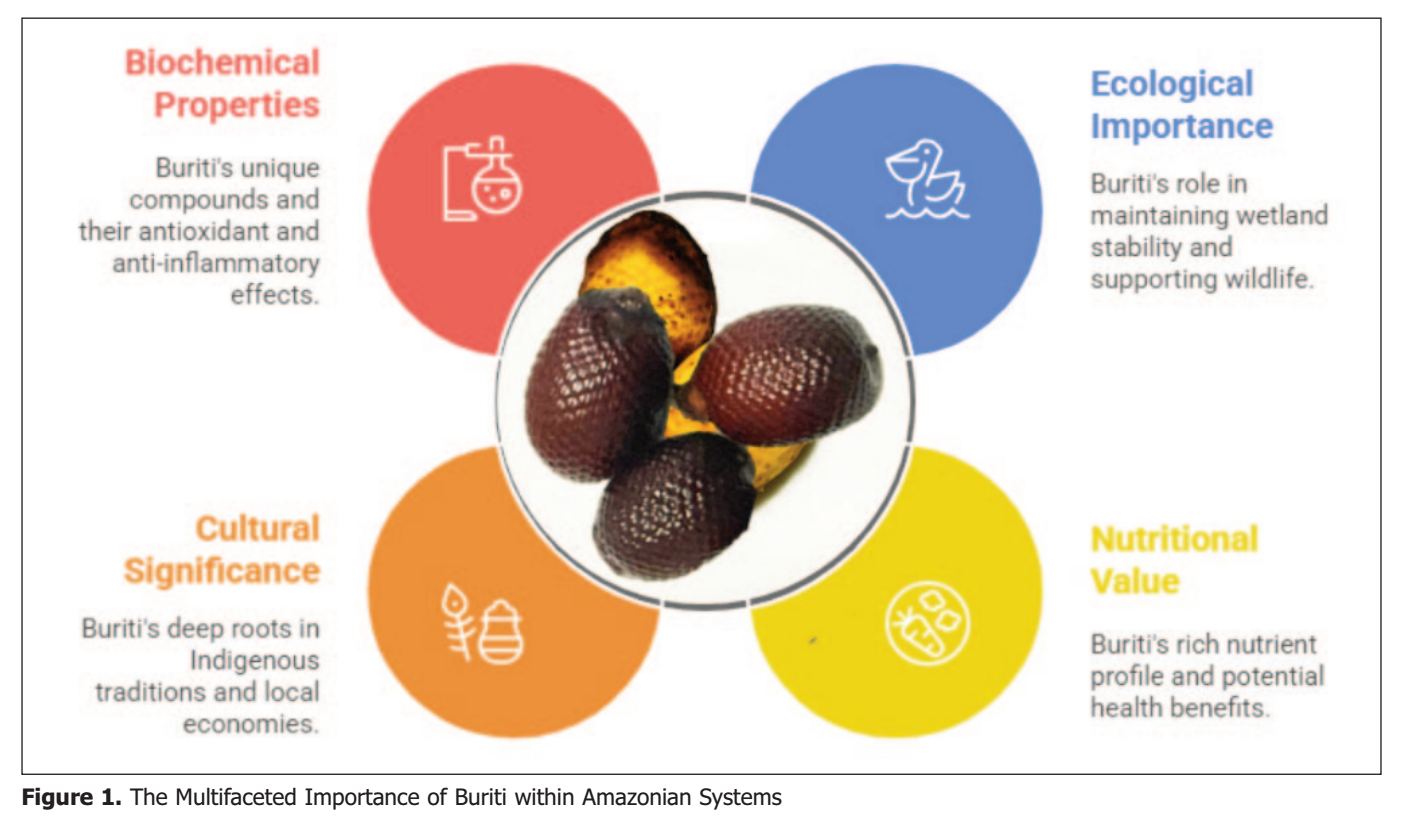
Mauritia flexuosa (buriti), known as aguaje in Peru, is an Amazonian palm traditionally consumed as both food and medicinal resource. The species grows predominantly in flooded palm swamps known as aguajales, which play a crucial ecological role by regulating hydrological cycles, storing large amounts of carbon, and providing habitat and food for diverse wildlife species1. For Amazonian communities, buriti is deeply integrated into daily life, contributing to food security, subsistence economies, and cultural identity. Traditional processing and sustainable harvesting practices—particularly climbingbased fruit collection that avoids felling the palm—have been transmitted across generations, reflecting long-standing local knowledge aimed at conserving these ecosystems1.
Buriti fruit is widely consumed fresh or processed into juices, fermented beverages, frozen products, and oil. Its nutritional profile is characterized by a high content of fat-soluble vitamins, including provitamin A carotenoids and tocopherols, as well as essential fatty acids, dietary fiber, and a diverse range of phenolic compounds2,3.
From a biochemical perspective, buriti stands out for its high concentrations of β-carotene and other carotenoids such as lutein and zeaxanthin, along with vitamin E, polyphenols, and unsaturated fatty acids, compounds commonly associated with antioxidant and anti-inflammatory activity4. The pulp also contains carbohydrates as its main macronutrient, moderate amounts of fat, dietary fiber, and low protein content, alongside minerals such as potassium, magnesium, and calcium5-7. Owing to this composition, buriti has been proposed as a promising ingredient for functional foods and nutraceutical applications.
In Amazonian regions of Peru, Colombia, Brazil, and Ecuador, buriti palms are essential not only for subsistence but also for local trade, particularly in urban centers such as Iquitos, where the fruit is highly valued for fresh consumption and traditional products5. Over the past century, buriti use has expanded from primarily domestic consumption to broader commercialization, integrating into urban food markets through juices and other derivatives5. Despite this expansion and its strong cultural relevance, scientific research on buriti remains relatively limited and fragmented.
Existing studies differ considerably in objectives, experimental models, and forms of buriti evaluated, including pulp, oil, seed extracts, and flour, which complicates comparison across studies8,9. Animal studies have reported potential effects on glucose regulation, lipid metabolism, cardiovascular and liver function, and tissue repair, while human evidence remains scarce and often limited to short-term interventions or non-metabolic outcomes8,9. This imbalance contrasts sharply with the fruit’s ecological, nutritional, and cultural importance.
Given these gaps, the present systematic review aims to compile and critically analyze the available evidence on the nutritional composition and health-related effects of Mauritia flexuosa. By integrating findings from both human and experimental animal studies, this review provides an updated and structured overview of current knowledge, highlights methodological limitations, and identifies key areas for future research, particularly within the context of Amazonian and Peruvian food science10-13.
MATERIALS AND METHODS
A systematic literature search was conducted in Scopus, Web of Science, PubMed, and Embase in accordance with PRISMA 2020 recommendations14-16. The search covered all records available from inception to October 9, 2025, with no language restrictions. The following search strategy was applied, with minor syntax adaptations according to each database: (“Mauritia flexuosa” OR buriti OR aguaje OR moriche OR morete OR canangucho) AND (nutrition OR “nutritional composition” OR phytochemical* OR “bioactive compounds” OR carotenoid* OR antioxidant* OR “fatty acids”) AND (“health effects” OR metabolic OR cardiometabolic OR inflammation OR antioxidant OR hepatoprotective).
Records were imported into Mendeley for reference management, and duplicates were removed prior to screening. No language restrictions were applied. Study selection was conducted independently by two reviewers (JQ and AB) in two stages: initial screening of titles and abstracts, followed by full-text assessment for eligibility, in accordance with predefined inclusion and exclusion criteria. Eligible studies were original research articles evaluating the nutritional composition or health-related effects of Mauritia flexuosa in humans or in vivo animal models. Reviews, conference abstracts, studies lacking relevant outcomes, studies in which buriti was not the primary exposure, and studies conducted exclusively in vitro were excluded. Discrepancies between reviewers were resolved through discussion and consensus, with arbitration by a third reviewer when required. Data extraction was performed independently by two reviewers (JQ and AB) using a standardized extraction form. Extracted data included study design, population or animal model, sample size, form and dose of Mauritia flexuosa, intervention duration, assessed biomarkers or functional outcomes, and reported adverse events. Risk of bias was assessed using the Cochrane RoB 2 tool for the human randomized controlled trial and the SYRCLE risk-of-bias tool for animal studies.
RESULTS
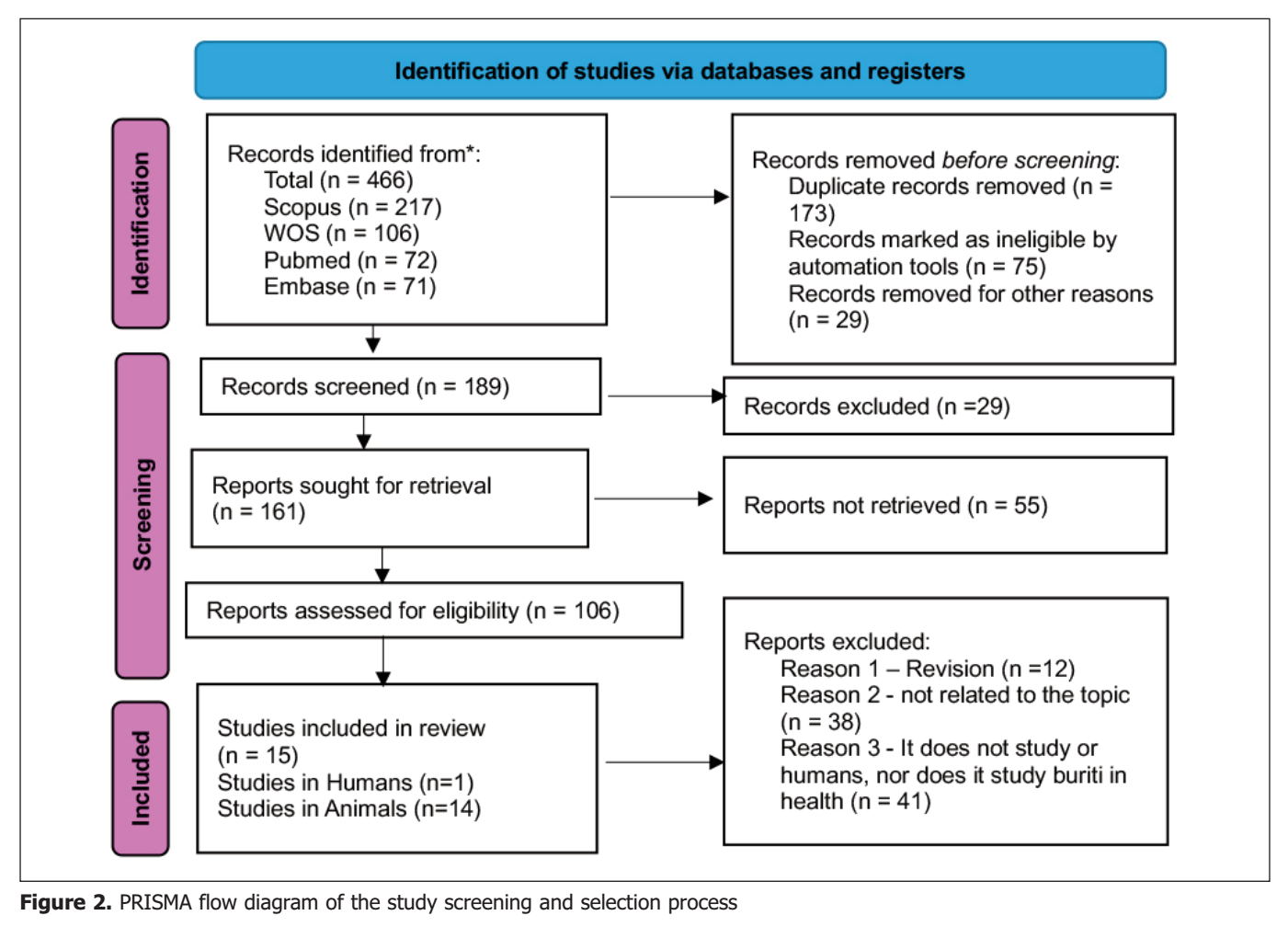
The study selection process is summarized in the PRISMA flow diagram (Figure 2). A total of 15 studies were included in the final synthesis, comprising one human study and fourteen experimental animal studies. The results should be interpreted in light of the predominance of experimental animal studies and the substantial heterogeneity observed across study designs, intervention doses, durations, and outcome measures. Consequently, findings are synthesized descriptively and comparatively, without implying direct clinical applicability to human populations.
Human study
Only one human study was identified. This was a doubleblind, placebo-controlled randomized trial conducted in Japan that evaluated a standardized Mauritia flexuosa (buriti) palm extract in 44 healthy women presenting premenstrual and menstrual symptoms. Supplementation with 100 mg/day for eight weeks resulted in a significant improvement in overall Menstrual Distress Questionnaire scores compared with placebo. Improvements were observed primarily in symptom domains related to water retention, concentration, and perceived control. No clinically relevant adverse effects or safety concerns were reported based on quality-of-life assessments, routine laboratory parameters, or hormonal measurements17. Given that this is the sole human study available, these findings should be considered preliminary.
Animal studies
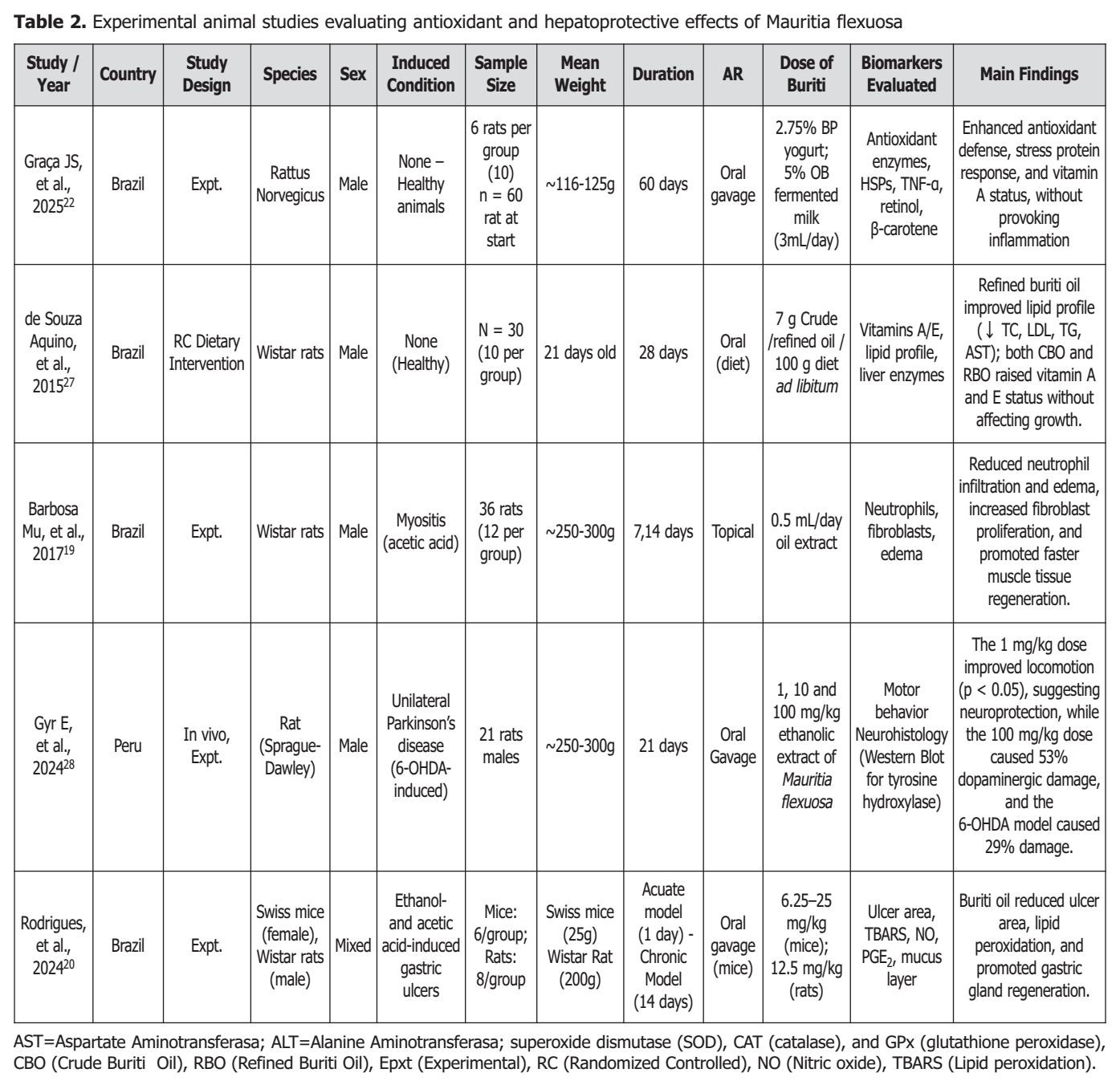
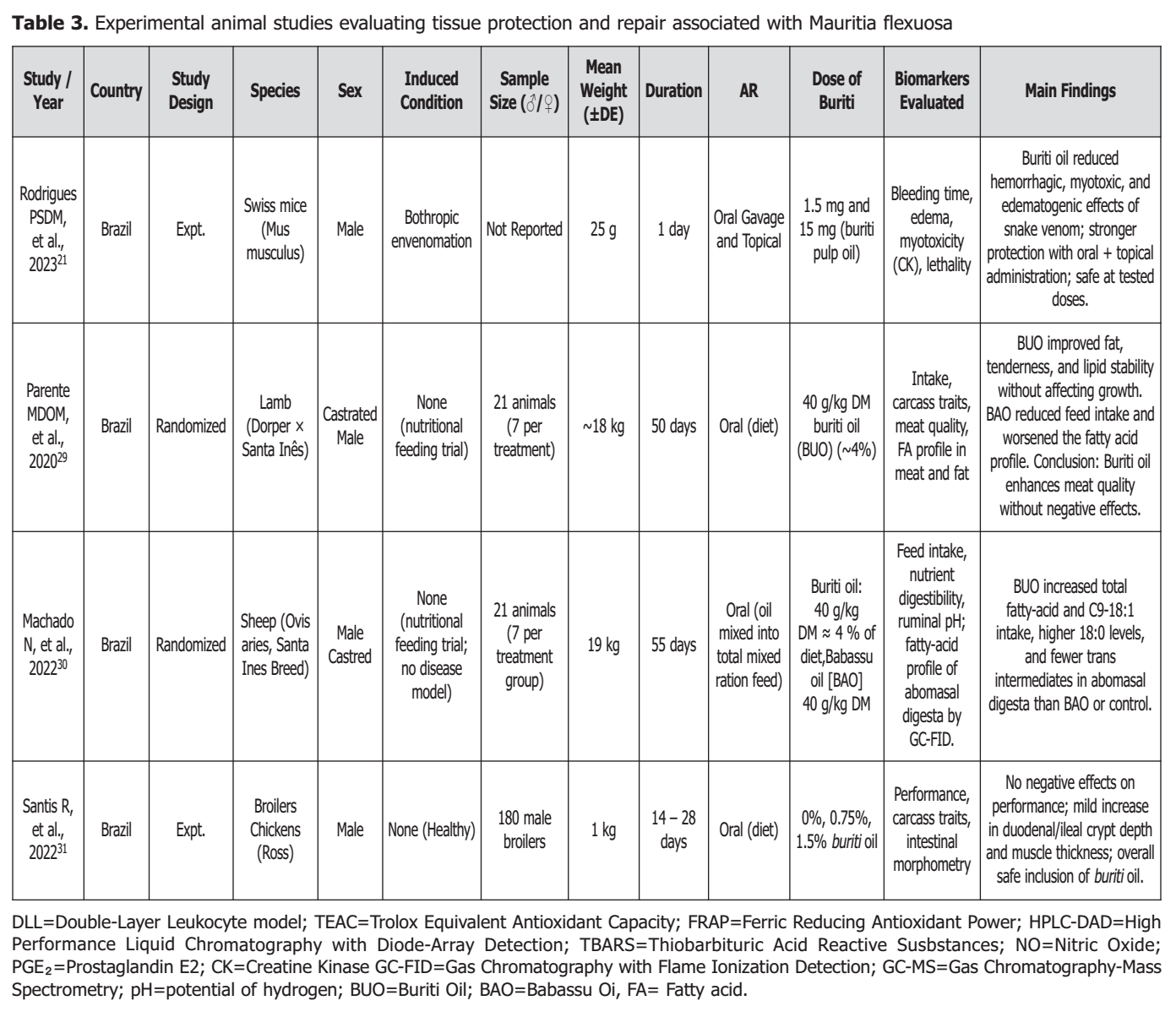
Fourteen studies evaluated the effects of Mauritia flexuosa using experimental animal models. These studies employed a wide range of preparations, including pulp, oil, fermented products, and ethanolic extracts, administered at varying doses and durations. Outcomes were heterogeneous and included metabolic, cardiometabolic, antioxidant, inflammatory, hepatoprotective, neuroprotective, gastrointestinal, and tissue-repairrelated markers.
Across multiple animal models, relatively consistent effects were observed for antioxidant activity and modulation of lipid metabolism, particularly improvements in triglyceride levels, cholesterol fractions, and oxidative stress biomarkers. Evidence related to glucose regulation, inflammatory markers, and tissue protection was more variable and often derived from single studies or specific experimental conditions, limiting comparability across models.
Several studies reported hepatoprotective and anti-inflammatory effects, including reductions in lipid peroxidation, inflammatory mediators, or tissue damage markers. However, these outcomes were assessed using diverse experimental approaches, doses, and outcome measures. In some models, dose-dependent effects were observed, underscoring the importance of dosage selection and limiting broad generalization of findings.
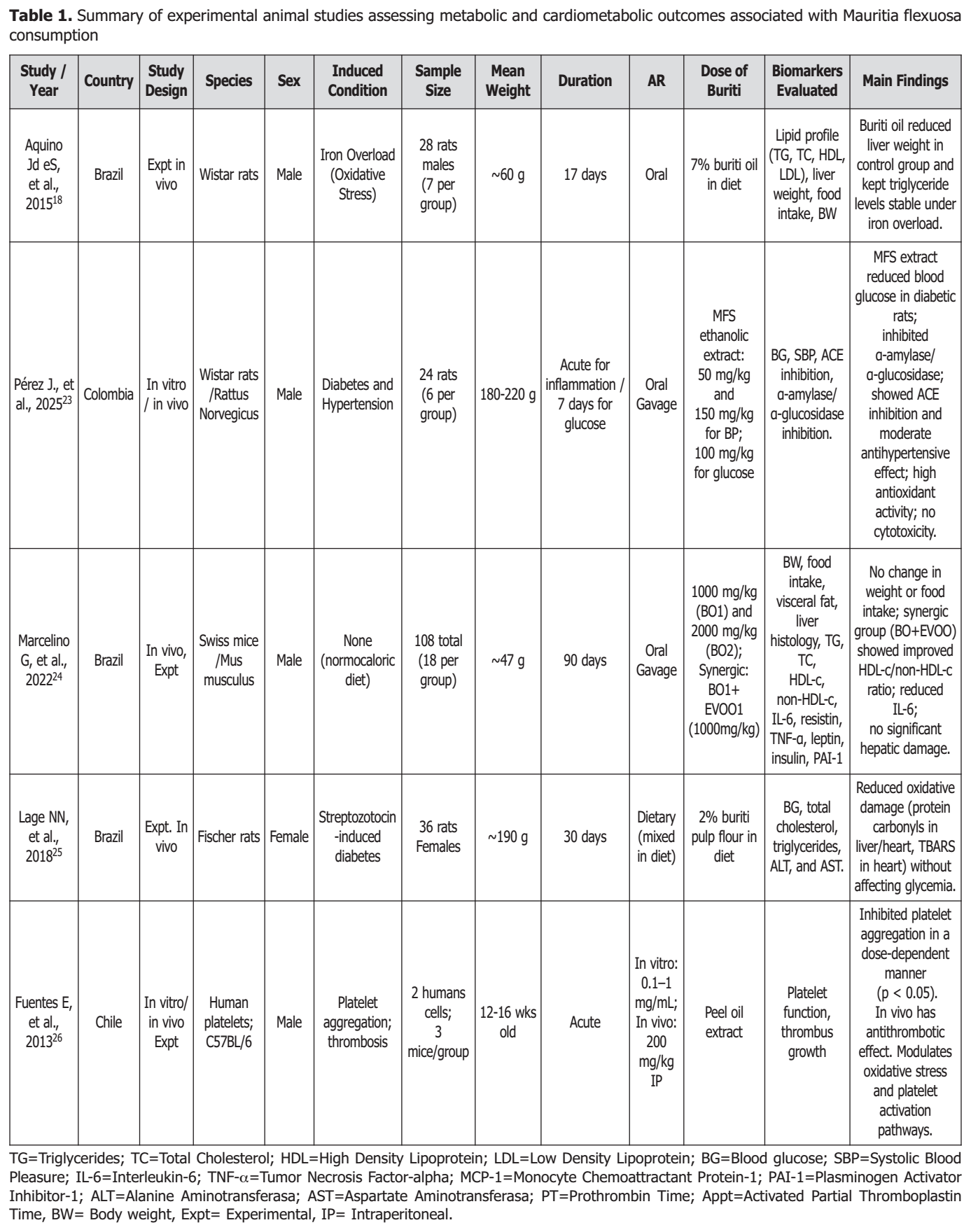
Detailed characteristics and outcomes of the included animal studies are summarized in Tables 1–3, grouped according to metabolic and cardiometabolic outcomes, antioxidant and hepatoprotective effects, and tissue protection and repair.
Biomarkers
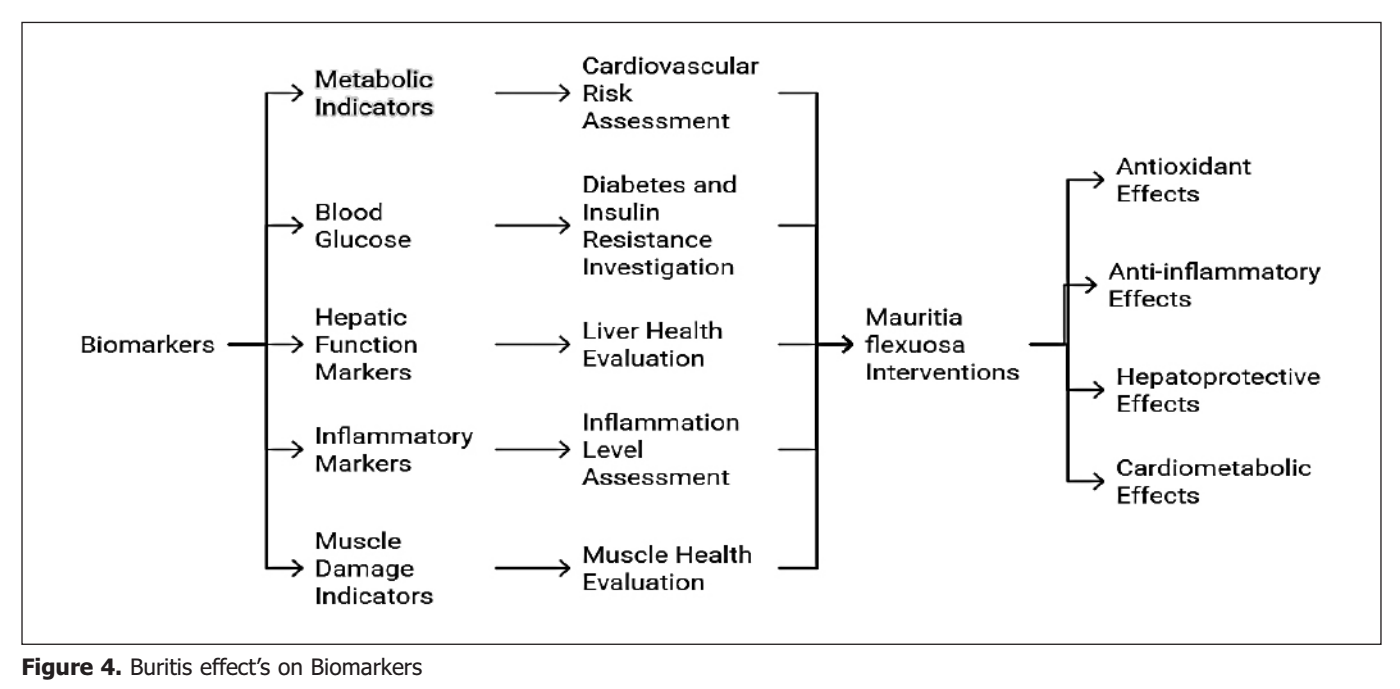
Across the included studies, a range of biochemical and physiological biomarkers was used to evaluate potential health-related effects of Mauritia flexuosa. The most frequently assessed outcomes included lipid profile parameters—such as triglycerides, total cholesterol, and LDL/HDL fractions—as well as blood glucose18,21 and liver enzymes (ALT and AST), reflecting cardiometabolic and hepatic domains18-20. Inflammatory and tissue-related responses were evaluated less consistently and included markers such as interleukin-6 (IL-6), tumor necrosis factor-α (TNF-α)18,20, and creatine kinase (CK)20,22, and creatine kinase (CK). Collectively, these biomarkers were used to explore antioxidant, inflammatory, hepatoprotective, and cardiometabolic responses in experimental models; however, the heterogeneity of study designs and outcome measures limits direct comparability across studies.
DISCUSSIONS
This systematic review synthesizes evidence on the nutritional composition and potential health-related effects of Mauritia flexuosa, with particular emphasis on metabolic, antioxidant, hepatoprotective, and tissue-related outcomes. Across the included studies, relatively consistent patterns were observed for antioxidant activity and modulation of lipidrelated biomarkers in experimental models. However, the available evidence is predominantly derived from heterogeneous animal studies, which substantially limits direct extrapolation to human health.
Metabolic and Cardiometabolic Effects
Several experimental studies evaluated lipid and glucoserelated parameters following administration of buriti pulp, oil, or extracts18-21,23,24.
Across animal models, changes in triglycerides, cholesterol fractions, blood glucose, and enzyme-related outcomes were reported, suggesting a potential influence on cardiometabolic pathways. These findings are biologically plausible given the high content of unsaturated fatty acids, carotenoids, and phenolic compounds present in buriti6,32,33.
Nevertheless, the magnitude and consistency of these effects varied considerably across studies, likely due to differences in experimental design, dose, intervention duration, and outcome assessment18-21,23,24. This heterogeneity precludes quantitative comparison and limits the strength of any generalized conclusions.
Comparisons with previous reviews indicate broad agreement regarding the phytochemical richness and potential biological relevance of Mauritia flexuosa6,32,34-36. However, as highlighted both in prior syntheses and in the present review, methodological variability and limited standardization remain major constraints32,34. Importantly, only one human randomized controlled trial was identified17, which focused on menstrual-related symptoms rather than metabolic outcomes, underscoring the lack of clinical evidence directly addressing cardiometabolic health.
Antioxidant and Hepatoprotective Properties
Antioxidant and hepatoprotective outcomes were among the most frequently investigated domains in animal studies18,22,24,25,27. Markers of oxidative stress, antioxidant enzyme activity, and liver function were commonly assessed, reflecting interest in the protective potential of buriti-derived compounds. These findings are consistent with the known presence of carotenoids, tocopherols, and phenolic compounds in buriti pulp and oil, which have been associated with modulation of oxidative stress and inflammatory pathways6,32,33,29-31.
Notably, some studies incorporated buriti into food matrices, such as fermented dairy products, suggesting that antioxidant properties may be retained following processing22. While these findings are relevant from a food science and technological perspective, their translational relevance remains uncertain, as evidence is limited to experimental models and short-term interventions.
Tissue Protection and Repair
Evidence related to tissue protection, including muscle regeneration, gastric mucosal protection, neuroprotection, and mitigation of toxinor venom-induced damage, was reported in several experimental models19-21,26,28. Although these findings suggest a broad spectrum of biological activity, they were highly model-specific and often based on single studies. Importantly, dose-dependent effects were observed in some models, with higher doses associated with reduced efficacy or adverse outcomes28. This highlights a potentially narrow therapeutic window and emphasizes the need for careful dose selection and systematic safety evaluation in future studies.
Limitations of the evidence
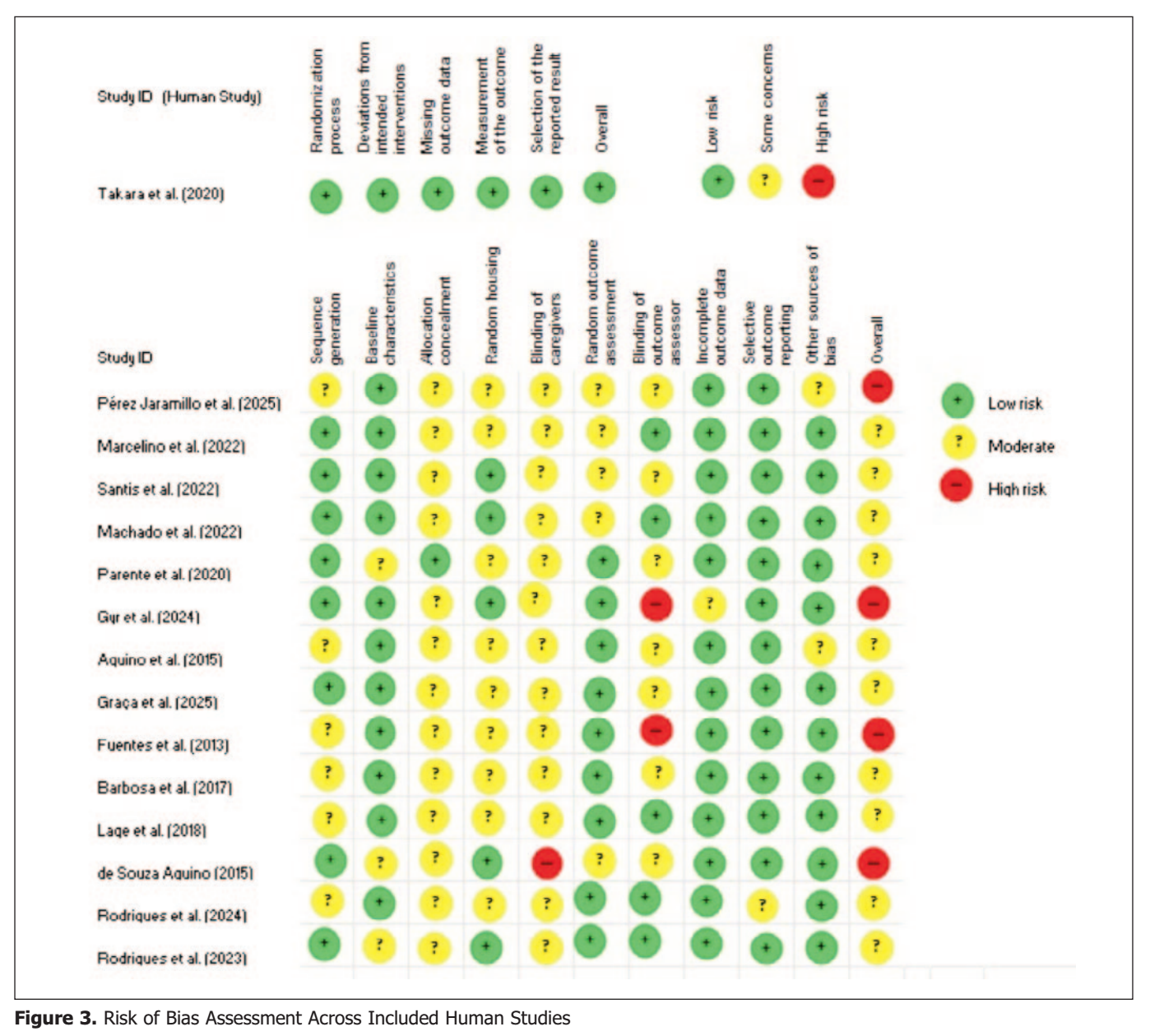
This review is subject to certain limitations that should be considered when interpreting the findings. In addition, the risk of bias assessment indicated methodological limitations in several studies, particularly in relation to allocation procedures, blinding, and outcome reporting, which further reduces confidence in the robustness of some reported effects. Most included studies were conducted in experimental animal models using heterogeneous designs, doses, and outcome measures, which limits comparability across studies and precludes meta-analysis. Only one human randomized controlled trial was identified17, limiting the ability to draw firm conclusions regarding clinical efficacy or safety. Additionally, variability in buriti preparation, reporting quality, and biomarker selection may influence interpretation of the available evidence.
Implications and future directions
Taken together, the available evidence suggests that Mauritia flexuosa contains bioactive compounds with potential biological relevance. However, current findings should be interpreted cautiously, as they are largely derived from preclinical models. Future research should prioritize well-designed human clinical trials using standardized preparations, clearly defined doses, and longer intervention periods6,32,35. Assessments of bioavailability, safety, and long-term effects will be essential before any clinical or nutritional recommendations can be made.
CONCLUSIONS
This systematic review highlights Mauritia flexuosa as a nutrient-dense Amazonian fruit rich in carotenoids, phenolic compounds, and unsaturated fatty acids, which may underlie its reported antioxidant, metabolic, and tissue-protective effects. However, the current body of evidence is largely based on animal models, with only one human randomized controlled trial identified.
While the preclinical findings are encouraging, their translation to human health remains uncertain. Future research should prioritize well-designed clinical trials using standardized preparations, appropriate dosing, and longer intervention periods, alongside evaluations of bioavailability and safety. Integrating ecological, cultural, and sustainability considerations will also be essential to ensure responsible development of buriti-based functional foods and nutraceuticals.
FUNDING
This research did not receive any specific grant from funding agencies in the public, commercial, or not-for-profit sectors.
REFERENCES
- Romulo CL, Gilmore MP, Endress BA, Horn C. Mauritia flexuosa fruit production increases with increasing palm height in the Peruvian Amazon. Plants, People, Planet [Internet]. 2022;4(6): 599–604. Available from: https://doi.org/10.1002/ppp3.10299
- Cuéllar Álvarez LN, García-Chacón JM, Heredia FJ, González-Miret ML. Bioactive and agroindustrial potential of Amazonian fruit species: a review. Cogent Food Agric [Internet]. 2025;11(1): 2451062. Available from: https://doi.org/10.1080/23311932.2025.2451062
- Dos Santos Beserra Pessoa ML, Dos Santos Duarte ECP, Gonçalves TB, Amorim VR, de Almeida LMN, Silva Ramos CL, et al. Biotechnological Applications of Flours and By-products of Mauritia flexuosa L. Fruits. In Universidade Federal do Piauí, Research Laboratory II, Teresina, Brazil: CRC Press; 2023. p. 41–57. Available from: https://doi.org/10.1201/9781003239994
- Barros FB, de Sousa FF, de Andrade JP, Ramos FM, Vieira-da-Silva C. Ethnoecology of miriti (Mauritia flexuosa, L.f.) fruit extraction in the Brazilian Amazon: knowledge and practices of riverine peoples contribute to the biodiversity conservation. J Ethnobiol Ethnomed [Internet]. 2021;17(1). Available from: https://doi.org/10.1186/s13002-020-00430-z
- Manzi M, Coomes OT. Managing Amazonian palms for community use: A case of aguaje palm (Mauritia flexuosa) in Peru. For Ecol Manage [Internet]. 2009;257(2):510–7. Available from: https://doi.org/10.1016/j.foreco.2008.09.038
- Silva N, Cavalcante RBM, da Silva FA. Nutritional properties of Buriti (Mauritia flexuosa) and health benefits. J FOOD Compos Anal [Internet]. 2023;117. Available from: https://doi.org/10.1016/j.jfca.2022.105092
- Best I, Casimiro-Gonzales S, Portugal A, Olivera-Montenegro L, Aguilar L, Muñoz AM, et al. Phytochemical screening and DPPH radical scavenging activity of three morphotypes of Mauritia flexuosa L.f. from Peru, and thermal stability of a milk-based beverage enriched with carotenoids from these fruits. Heliyon [Internet]. 2020;6(10). Available from: https://doi.org/10.1016/j.heliyon.2020.e05209
- Bensaada H, Soto-Garcia MF, Carmona-Hernandez JC. Antioxidant Activity of Polyphenols, from Mauritia flexuosa (Aguaje), Based on Controlled Dehydration. Molecules [Internet]. 2022;27(10). Available from: https://doi.org/10.3390/molecules27103065
- Jaramillo-Vivanco T, Balslev H, Montúfar R, Cámara-Hurtado RM, Giampieri F, Battino M, et al. Three Amazonian palms as underestimated and little-known sources of nutrients, bioactive compounds and edible insects. Food Chem [Internet]. 2022;372. Available from: http://dx.doi.org/10.1016/j.foodchem.2021.131273
- Bohórquez-Medina AL, Bohórquez-Medina SL, Zubieta S. Sensory attributes and potential health benefits: an untrained consumer panel’s evaluation of peruvian dark chocolate at varying cocoa levels (40%, 60%, 72%). Nutr Clínica y Dietética Hosp [Internet]. 2025;45(3). Available from: https://doi.org/10.12873/453bohorquez
- Cárdenas-Jarama M, Bohórquez-Medina AL, Bohórquez-Medina SL, Agurto CC, Rojas KG. Formulation and sensory characterization of andean bread enriched with olluco flour (ullucus tuberosus). Nutr Clínica y Dietética Hosp [Internet]. 2025;45(1). Available from: https://doi.org/10.12873/451cardenas
- Cachata Balbuena VS, Bohórquez-Medina SL, Bohórquez-Medina AL. Formulation, sensory characterization, and functional food potential of a 70% sugar-reduced jam made from pushgay (vaccinium floribundum). Nutr Clínica y Dietética Hosp [Internet]. 45(2 SE-Artículos originales). Available from: https://doi.org/10.12873/452cachata
- Ardiles FDG, Bohórquez-Medina SL, Bohórquez-Medina AL. Andean food consumption and perceived physical performance in university athletes. Nutr Clínica y Dietética Hosp [Internet]. 2025;45(2). Available from: https://doi.org/10.12873/452guerrero
- Page MJ, McKenzie JE, Bossuyt PM, Boutron I, Hoffmann TC, Mulrow CD, et al. The PRISMA 2020 statement: An updated guideline for reporting systematic reviews. BMJ [Internet]. 2021 Mar 29 [cited 2022 May 5];372. Available from: https://doi.org/10.1016/j.ijsu.2021.105906
- Bohórquez-Medina SL, Bohórquez-Medina AL, Zapata VAB, Ignacio-Cconchoy FL, Toro-Huamanchumo CJ, Bendezu-Quispe G, et al. Impact of spirulina supplementation on obesity-related metabolic disorders: A systematic review and meta-analysis of randomized controlled trials. NFS J [Internet]. 2021;25:21–30. Available from: https://doi.org/10.1016/j.nfs.2021.09.003
- Bohórquez-Medina SL, Bohórquez-Medina AL, de Lukacs Pereny SG, Cárdenas-Jarama M. Traditional culinary uses, food applications, and potential health benefits of Peruvian Mesquite (Prosopis juliflora, Prosopis pallida), research advances and challenges: a review. J Ethn Foods [Internet]. 2025;12(1):10. Available from: https://doi.org/10.1186/s42779-025-00270-w
- Takara T, Yamamoto K, Suzuki N, Yamashita S, Iio S, Noguchi H, et al. Moriche Palm (Aguaje) Extract improves indefinite complaints in Japanese females: A randomized, placebo-controlled, double-blind trial. Funct Foods Heal Dis [Internet]. 2020;10(9):379–96. Available from: http://dx.doi.org/10.31989/FFHD.V10I9.742
- Aquino J eS., Tavares RL, Medeiros L eB., Martins CC, Pessoa DC, Stamford TL. Effect of the consumption on buriti oil on the metabolism of rats induced by iron overload. Arch Endocrinol Metab [Internet]. 2015;59(5):422–7. Available from: http://dx.doi.org/10.1590/2359-3997000000105
- Perez-Jaramillo CC, Cuellar-Alvarez LN, Murillo-Arango W. Proximate Composition, Phytochemicals, Phenolic Compounds, and Bioactive Characterization of Mauritia flexuosa L.f. Seeds. Plants [Internet]. 2025;14(15). Available from: https://doi.org/10.3390/plants14152323
- Marcelino G, Hiane PA, Pott A, Filiú WFD, Caires ARL, Michels FS, et al. Characterization of Buriti (Mauritia flexuosa) Pulp Oil and the Effect of Its Supplementation in an In Vivo Experimental Model. Nutrients [Internet]. 2022;14(12). Available from: https://doi.org/10.3390/nu14122547
- Lage NN, Macedo Lopes JM, Pereira RR, da Costa Guerra JF, Albuquerque Pereira M de F, Silva M, et al. Antioxidant potential of Buriti (Mauritia flexuosa) pulp flour in diabetic rats. Arch Latinoam Nutr [Internet]. 2018;68(1):59–70. Available from: https://doi.org/10.37527/2018.68.1.006
- Fuentes E, Rodríguez-Pérez W, Guzmán L, Alarcón M, Navarrete S, Forero-Doria O, et al. Mauritia flexuosa presents in vitro and in vivo antiplatelet and antithrombotic activities. Evidence-based Complement Altern Med [Internet]. 2013;2013. Available from: https://doi.org/10.1155/2013/653257
- Graça JS, Castro BG, Heckler C, Batista PB, Camargo RL, Furtado MM, et al. Consumption of yogurts containing buriti pulp and fermented milks containing orange bagasse increases the response of the endogenous antioxidant system and the expression of heat shock proteins in healthy rats. Food Res Int [Internet]. 2025;217: 116904. Available from: http://dx.doi.org/10.1016/j.foodres.2025.116904
- S AJ, JK S, Magnani M, TC S, J MR, RL T, et al. Effects of Dietary Brazilian Palm Oil (Mauritia flexuosa L.) on Cholesterol Profile and Vitamin A and E Status of Rats. Molecules [Internet]. 2015;20(5): 9054–70. Available from: https://doi.org/10.3390/molecules20059054
- Barbosa MU, Silva MA, Barros EML, Barbosa MU, De Sousa RC, Lopes MAC, et al. Topical action of buriti oil (Mauritia flexuosa L.) in myositis induced in rats. Acta Cir Bras [Internet]. 2017;32(11): 956–63. Available from: http://dx.doi.org/10.1590/s0102-865020170110000007
- Gyr E, Ramos Escudero DF, Muñoz Jáuregui AM, Cuba IB, Gonzales SC, Aguilar Mendoza LA. Neuroprotective effect of Mauritia f lexuosa on a unilateral 6-OHDA-induced Parkinson’s disease in rats. Rev Colomb Ciencias Quim [Internet]. 2024; 53(3):881–9. Available from: http://dx.doi.org/10.15446/rcciquifa.v53n3.119217
- Rodrigues MDF, da Silva JW, de Lima JS, Ramos BDA, Paz ST, Lomonaco D, et al. Antiulcer activity of Mauritia flexuosa L.f. (Arecaceae) pulp oil: An edible Amazonian species with functional properties. Fitoterapia [Internet]. 2024;174. Available from: https://doi.org/10.1016/j.fitote.2024.105857
- Rodrigues PSDM, Cirqueira Martins H, Falcão MS, Trevisan M, Portaro FC V, da Silva LG, et al. Effects of Mauritia flexuosa L. f. buriti oil on symptoms induced by Bothrops moojeni snake envenomation. J Ethnopharmacol [Internet]. 2023;313. Available from: http://dx.doi.org/10.1016/j.jep.2023.116612
- Parente MDOM, da Rocha KS, Bessa RJB, Parente HN, Zanine ADM, Machado NAF, et al. Effects of the dietary inclusion of babassu oil or buriti oil on lamb performance, meat quality and fatty acid composition. Meat Sci [Internet]. 2020;160. Available from: https://doi.org/10.1016/j.meatsci.2019.107971
- Machado N, Parente M, Bessa R, Parente H, Gomes R, Pinho R, et al. Effects of Dietary Babassu Oil or Buriti Oil on Nutrient Intake and Total Tract Digestibility, and Abomasal Digesta Fatty Acid Profile of Lambs. Animals [Internet]. 2022;12(9). Available from: http://dx.doi.org/10.3390/ani12091176
- Santis R, Albuquerque FCF, Silva RLS, Mesquita LR, Ferreira ID, Dourado LRB, et al. Intestinal morphometry and performance of broiler chickens subjected to diets with buriti oil. Arq Bras Med Vet e Zootec [Internet]. 2022;74(2):359–66. Available from: http://dx.doi.org/10.1590/1678-4162-12350
- Pereira Freire JA, Barros KBNT, Lima LKF, Martins JM, Araújo Y de C, da Silva Oliveira GL, et al. Phytochemistry profile, nutritional properties and pharmacological activities of Mauritia flexuosa. J Food Sci [Internet]. 2016;81(11):R2611–22. Available from: https://doi.org/10.1111/1750-3841.13529
- Ibiapina A, Gualberto LDS, Dias BB, de Freitas BCB, Martins GADS, de Melo Filho AA. Essential and fixed oils from Amazonian fruits: proprieties and applications. Crit Rev Food Sci Nutr [Internet]. 2022;62(32):8842–54. Available from: https://doi.org/10.1080/10408398.2021.1935702
- Amorim IS, Amorim DS, Godoy HT, Mariutti LRB, Chisté RC, da Silva Pena R, et al. Amazonian palm tree fruits: From nutritional value to diversity of new food products. Heliyon [Internet]. 2024;10(2). Available from: https://doi.org/10.1016/j.heliyon.2024.e24054
- L de ASAT, BAN de A, I da MLL, TR de S, AJ T, MS F. Mauritia flexuosa: Botanical characteristics, Nutritional Composition, Potential Health Benefits, Climate Crisis and Sustainability. Plant Foods Hum Nutr [Internet]. 2025;80(4):161. Available from: https://doi.org/10.1007/s11130-025-01395-8
- Aquino J, Soares JKB, Magnani M, Stamford TCM, de Jesus Mascarenhas R, Tavares RL, et al. Effects of dietary brazilian palm oil (Mauritia flexuosa L.) on Cholesterol profile and Vitamin A and e status of rats. Molecules [Internet]. 2015;20(5):9054–70. Available from: https://doi.org/10.3390/molecules20059054
Explorar
Artículos
Volúmenes
Sobre la revista
Más leídos
Consumo de bebidas energizantes y efectos adversos en la salud de estudiantes universitarios
Nutrición Clínica y Dietética Hospitalaria
Uso de redes sociales y riesgo de trastornos de conducta alimentaria en adolescentes mujeres de un colegio en Lima, Perú
Nutrición Clínica y Dietética Hospitalaria
Consumo de bebidas energizantes en estudiantes universitarios y sus factores asociados.
Nutrición Clínica y Dietética Hospitalaria
Microbiota intestinal y eje intestino-cerebro: una revisión de su interacción con el sistema nervioso central
Nutrición Clínica y Dietética Hospitalaria
Factores asociados a la diabetes mellitus tipo 2 de la población adulta peruana.
Nutrición Clínica y Dietética Hospitalaria